
Specializing in business travel, group and incentive travel and ALL destinations around the world. Our agents have a combined total of over 100 years of travel experience!
603.716.6869
Specializing in business travel, group and incentive travel and ALL destinations around the world. Our agents have a combined total of over 100 years of travel experience!
603.716.6869

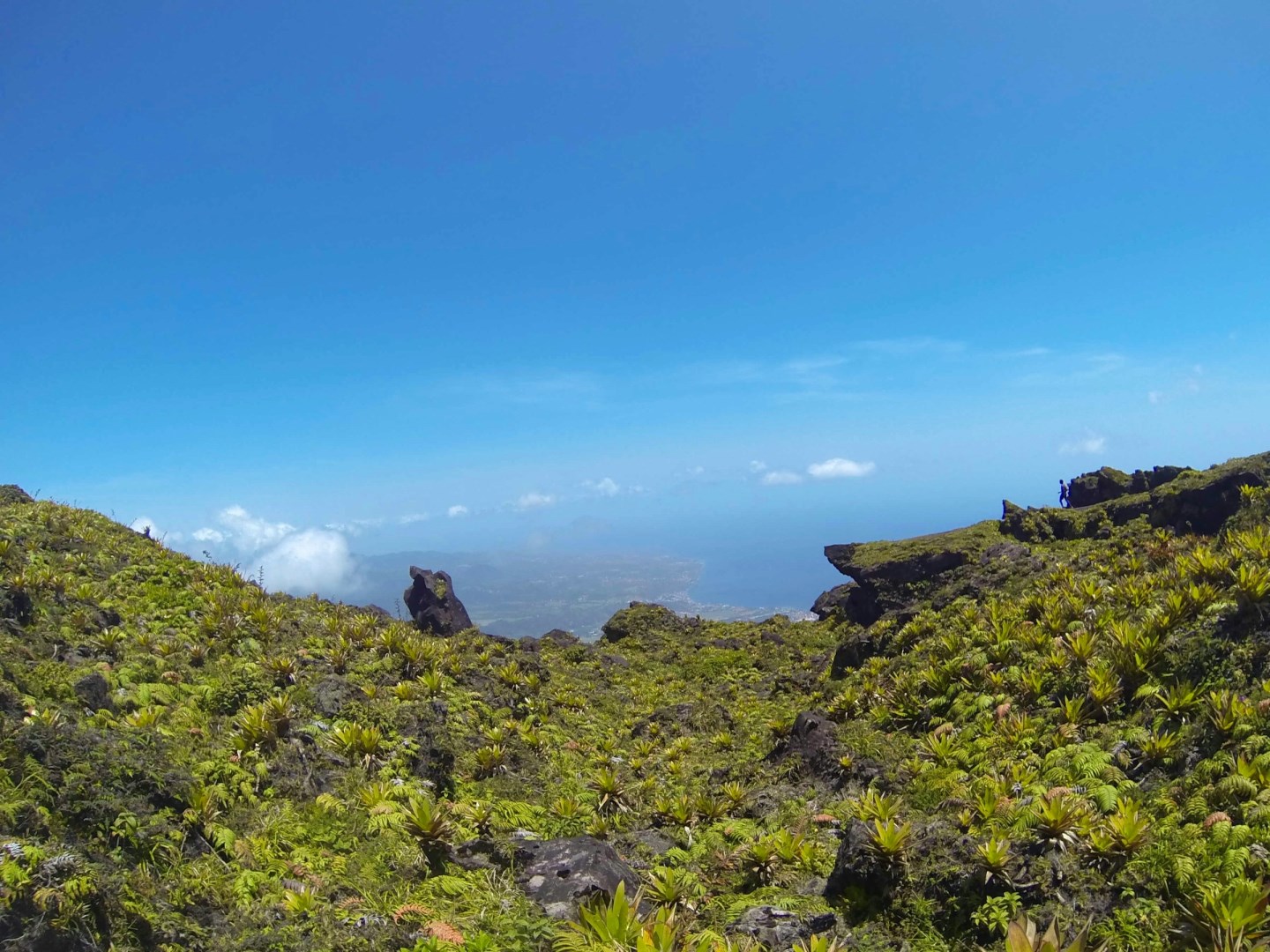
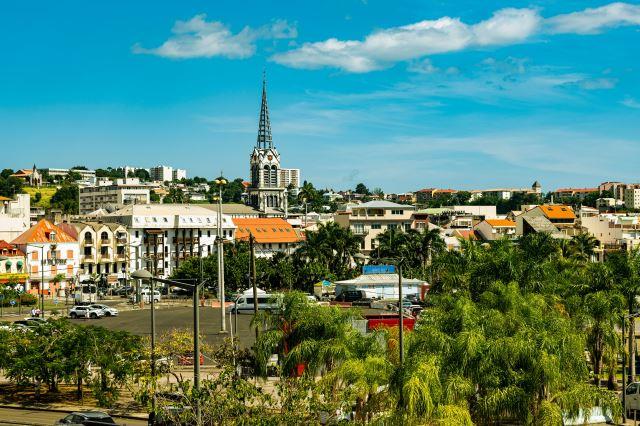
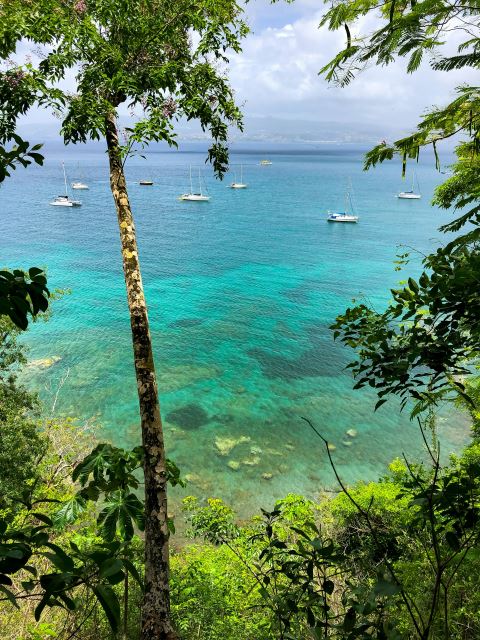
Saint-Pierre is a historic coastal town in northern Martinique, set between the Caribbean Sea and the slopes of Mount Pelée. Once the island’s principal port and commercial centre, the town was destroyed by the volcano’s eruption and later rebuilt around surviving ruins and archaeological remains. Today, Saint-Pierre is recognized as a Town of Art and History, with a landscape that combines the sea, volcanic mountain, historic streets, and remnants of the former city. Its waterfront looks across the bay, while Mount Pelée rises directly behind the town and remains an important part of its identity.
Saint-Pierre has a distinctive cultural identity shaped by Creole, French, African, Caribbean, and Indigenous influences. Its history is closely linked to maritime trade, sugar production, rum, and the development of Martinique’s colonial society. The town’s heritage includes the ruins of former buildings, an old theatre, churches, and the remains of the former prison associated with Louis-Auguste Cyparis, one of the few people known to have survived the volcanic disaster. Cultural events, guided heritage walks, museums, and local celebrations continue to connect present-day Saint-Pierre with its complex past.
The ruins of Saint-Pierre are among its most significant attractions, with foundations, walls, streets, and other archaeological remains visible around the town. The Mémorial de la Catastrophe de 1902 – Musée Frank A. Perret explains the volcanic disaster through objects, photographs, and historical accounts, while the Centre de Découverte des Sciences de la Terre explores volcanology and natural hazards. Mount Pelée provides a dramatic backdrop and is accessible through hiking routes from the surrounding northern communities. Saint-Pierre Bay also contains underwater archaeological and marine sites, including the Manman Dlo sculpture and shipwrecks.
Saint-Pierre’s food reflects the wider cuisine of northern Martinique, with Creole dishes combining seafood, vegetables, spices, and French-Caribbean cooking traditions. Local specialties across the northern region include accras de titiris, trempage, fresh fish, and dishes prepared with locally grown produce. Rum made from Martinican sugar cane is another important part of the area’s culinary heritage, with the nearby Depaz estate producing rum at the foot of Mount Pelée. The combination of volcanic soil, sugar-cane agriculture, maritime traditions, and surviving historic ruins gives Saint-Pierre a character closely tied to both the natural landscape and the island’s cultural history.
Email Us
Call Us
603.716.6869
Location
103 Mountain View Road
Deerfield, NH 03037



The Restless Breed is for the creators, the rebels, the ones with something to say - Even if they say it without a word.
This isn't fashion, it's a FLAG.

Consider donating to Skye Travel Corp's favorite foundation, Tunnels to Towers.
Our company supports veterans and American heroes.