
Specializing in business travel, group and incentive travel and ALL destinations around the world. Our agents have a combined total of over 100 years of travel experience!
603.716.6869
Specializing in business travel, group and incentive travel and ALL destinations around the world. Our agents have a combined total of over 100 years of travel experience!
603.716.6869

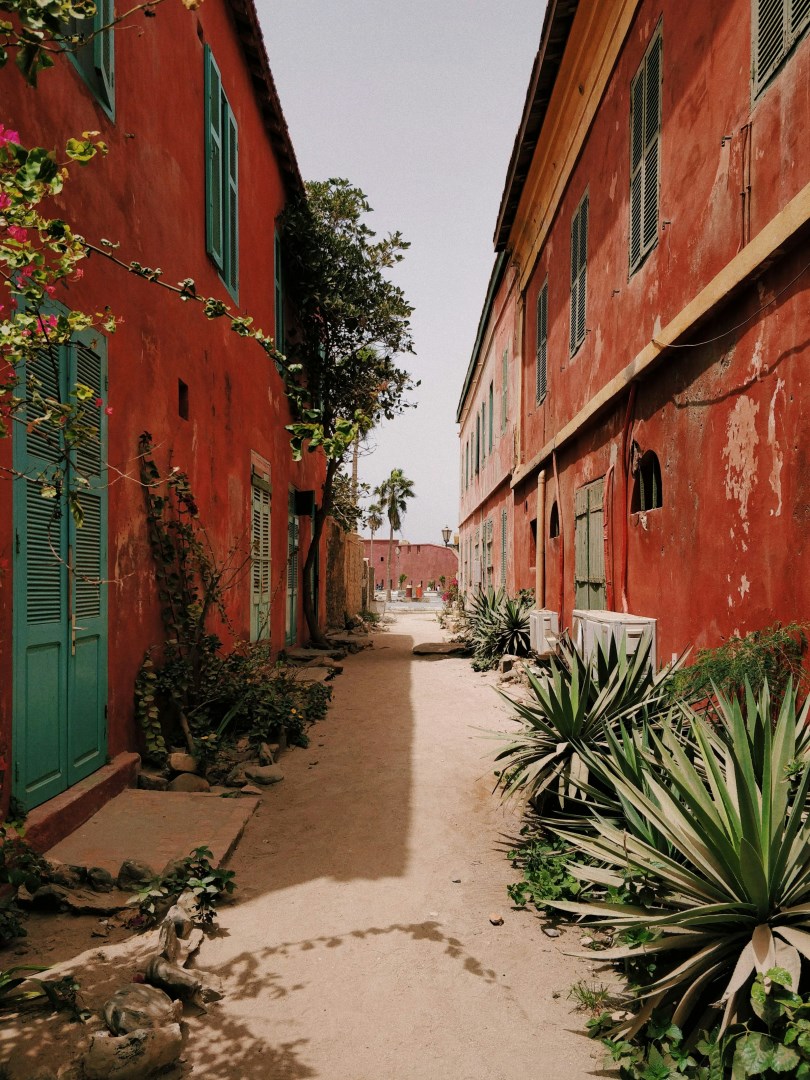
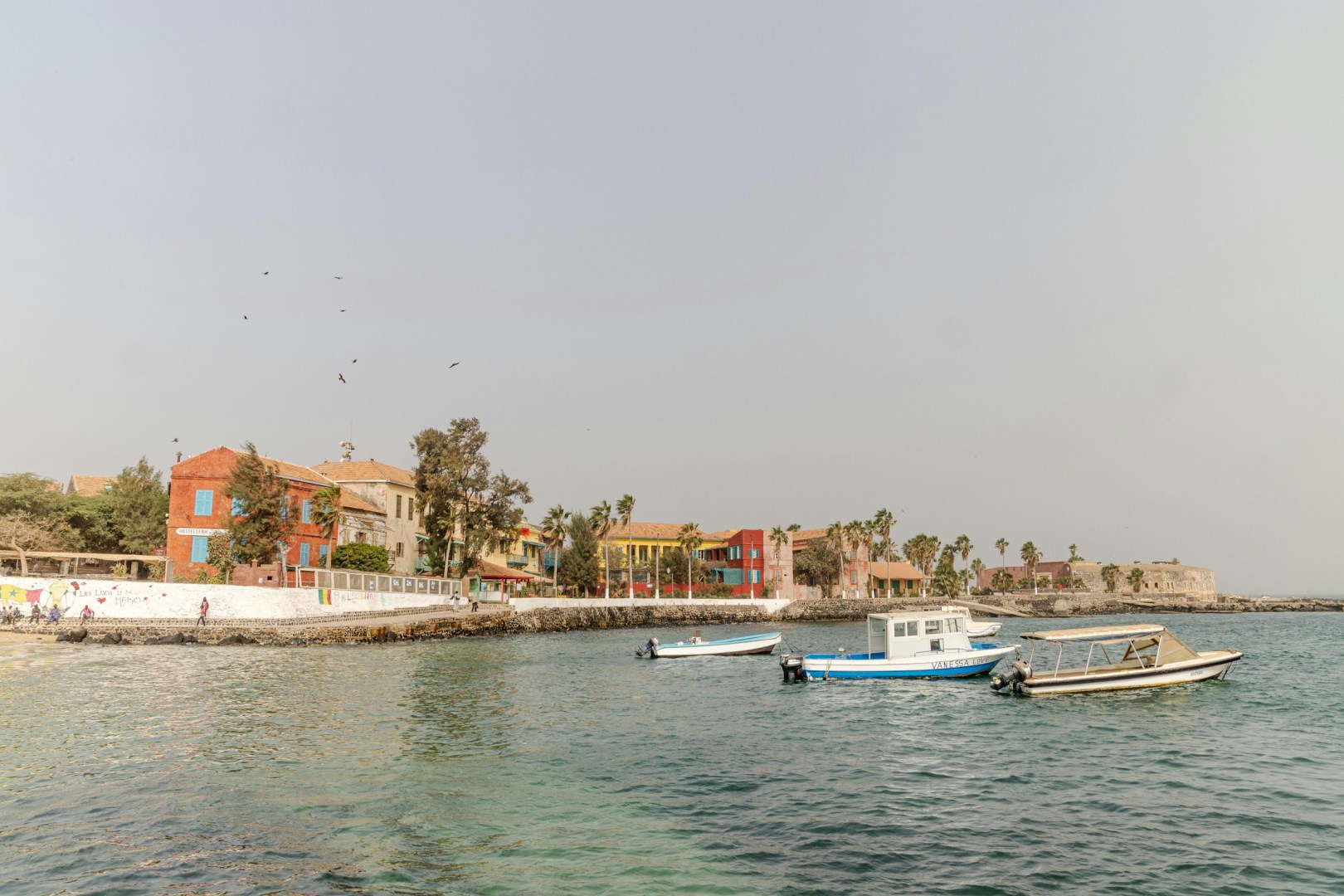
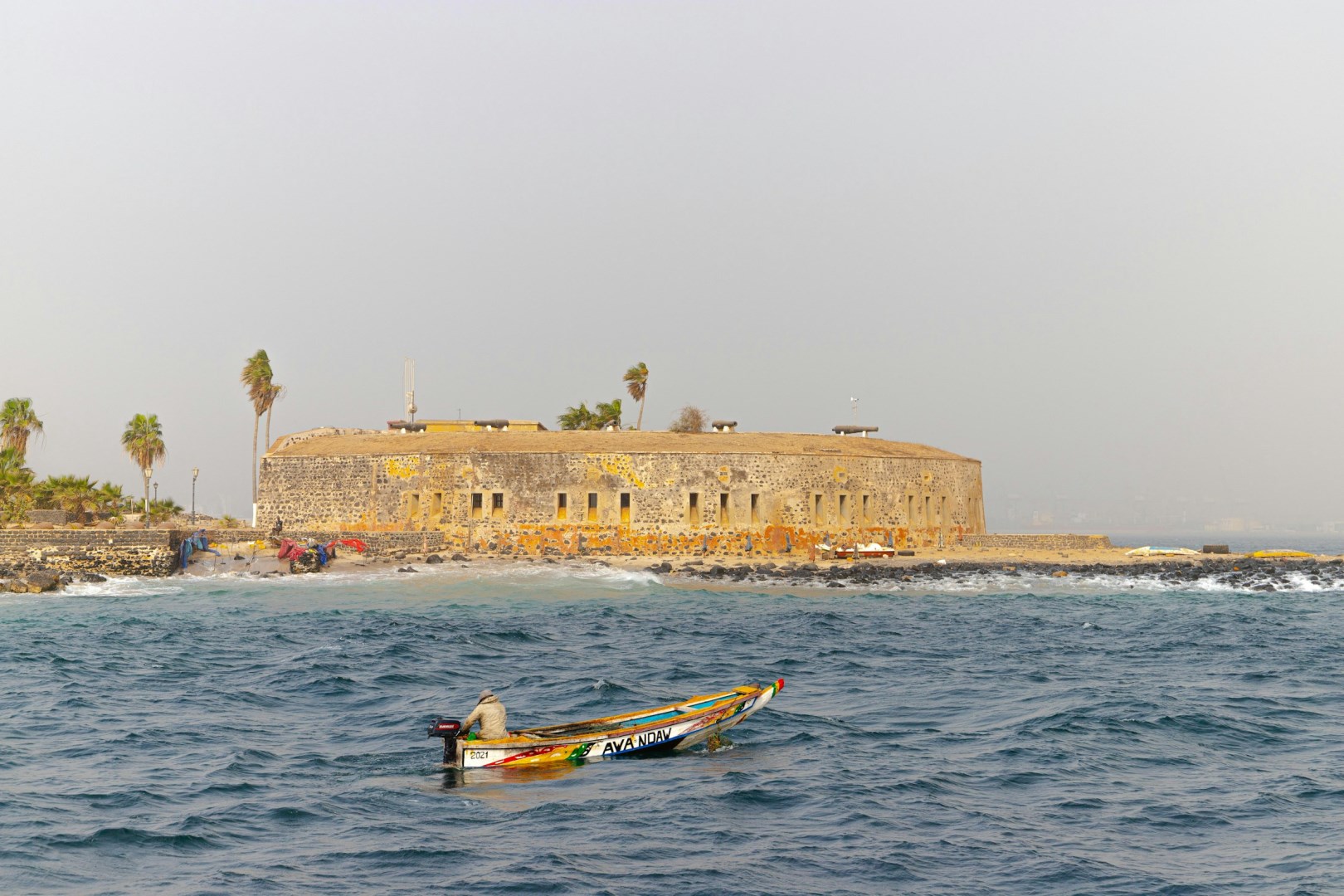
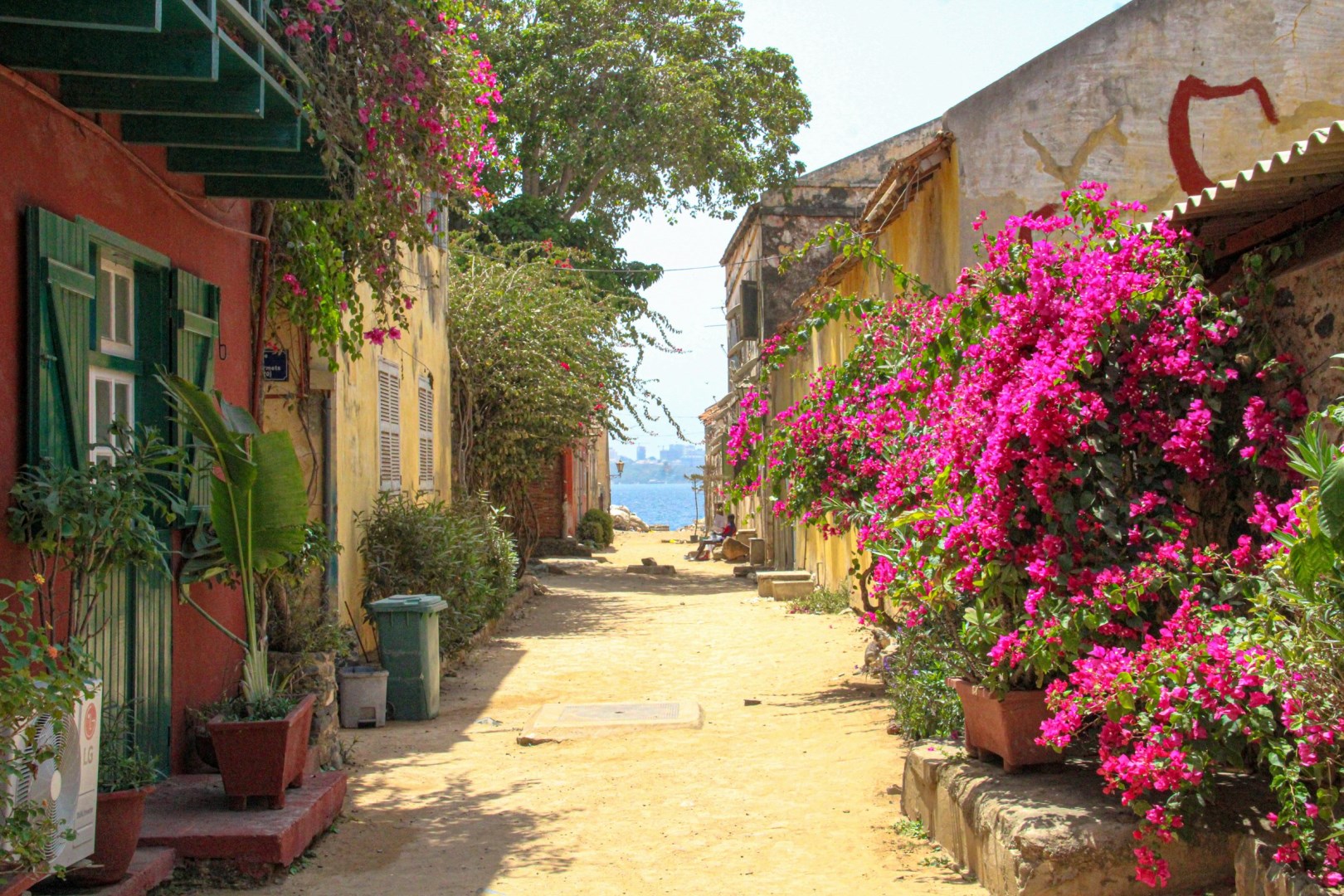
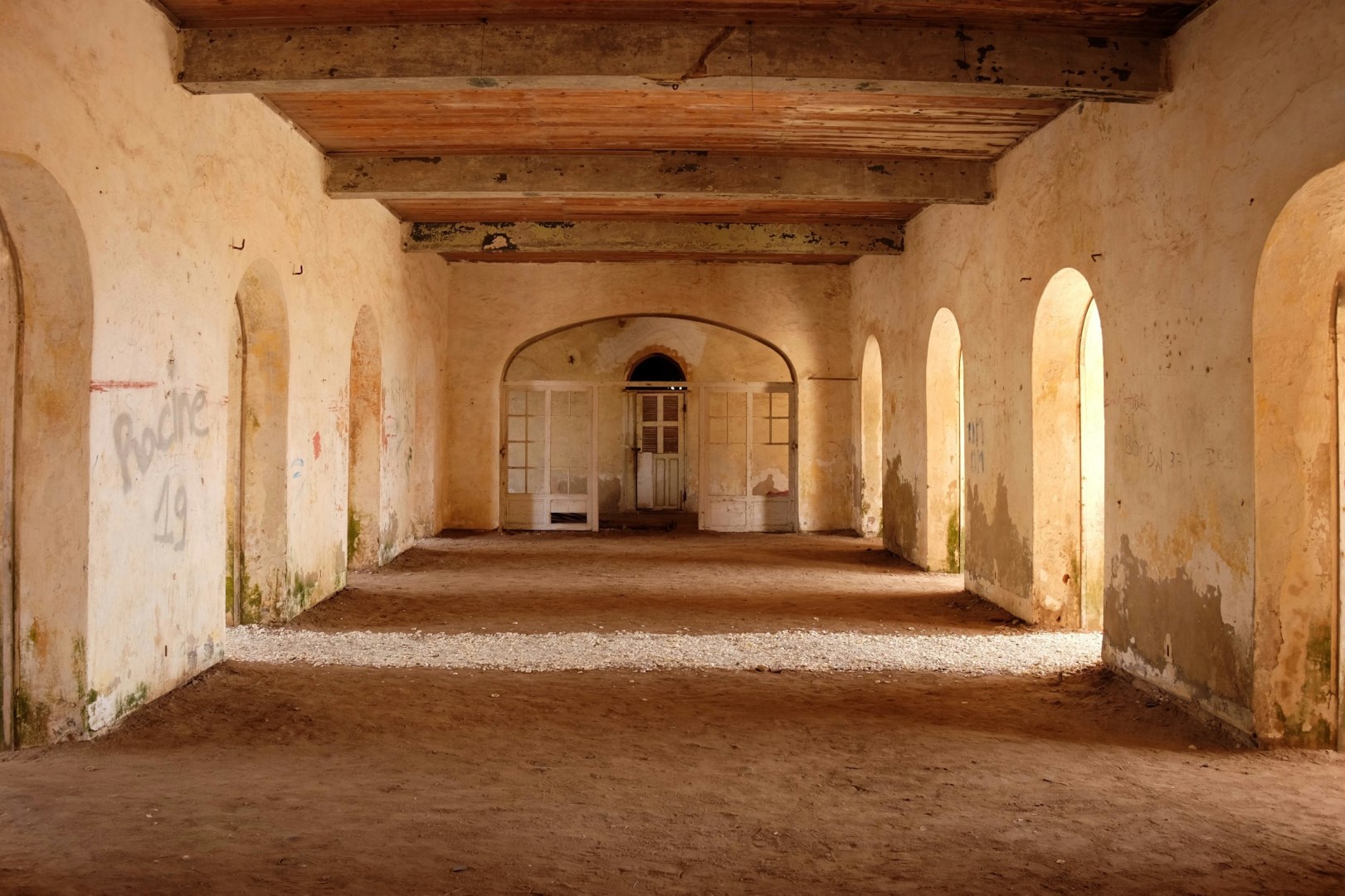
Gorée is a small island off the coast of Dakar, known for its preserved architecture and its central place in Senegal’s history of the Atlantic slave trade. Its narrow streets, pastel-colored buildings, courtyards, and waterfront create a compact historic landscape that contrasts with the modern capital across the water. The island is part of a UNESCO World Heritage Site and is regarded as an important place of memory for the African diaspora. Its relatively small size allows visitors to explore many of its historic buildings and public spaces on foot, with the Atlantic shoreline visible throughout the island.
Gorée’s cultural identity is closely tied to the history of the slave trade and the succession of European powers that controlled the island. The Maison des Esclaves, or House of Slaves, is the best-known historic building and contains exhibits about the trade and the conditions experienced by enslaved people. Fortifications on the Castel, former merchant houses, and other colonial-era buildings add to the island’s historical landscape. Gorée is also associated with dialogue and remembrance, and its museums and cultural institutions continue to present different aspects of Senegalese and African history.
The island’s main attractions include the Maison des Esclaves, the Castel and its fortifications, the Historical Museum, and the IFAN Historical Museum of Senegal. The Castel occupies a rocky area at the island’s southern end and provides views toward Dakar and the surrounding Atlantic waters. Streets lined with ochre, pink, and white buildings lead between historic houses, small squares, galleries, and waterfront areas. The island’s compact setting makes its architectural details particularly noticeable, including painted shutters, balconies, stone walls, and courtyards that reflect its long history as a trading and colonial settlement.
Gorée also has a contemporary cultural scene shaped by local artists, galleries, cafés, and small restaurants. Senegalese dishes such as thieboudienne, a rice and fish dish, and grilled seafood can be found in eateries serving visitors and residents. The island’s waterfront provides views across the Atlantic and toward Dakar, while its pedestrian streets encourage slower exploration between museums and historic sites. One distinctive feature is the contrast between elegant merchant houses and buildings associated with the slave trade, a pattern that UNESCO identifies as central to the island’s heritage. Gorée remains both a living community and a significant place of historical remembrance.
Email Us
Call Us
603.716.6869
Location
103 Mountain View Road
Deerfield, NH 03037



The Restless Breed is for the creators, the rebels, the ones with something to say - Even if they say it without a word.
This isn't fashion, it's a FLAG.

Consider donating to Skye Travel Corp's favorite foundation, Tunnels to Towers.
Our company supports veterans and American heroes.