
Specializing in business travel, group and incentive travel and ALL destinations around the world. Our agents have a combined total of over 100 years of travel experience!
603.716.6869
Specializing in business travel, group and incentive travel and ALL destinations around the world. Our agents have a combined total of over 100 years of travel experience!
603.716.6869

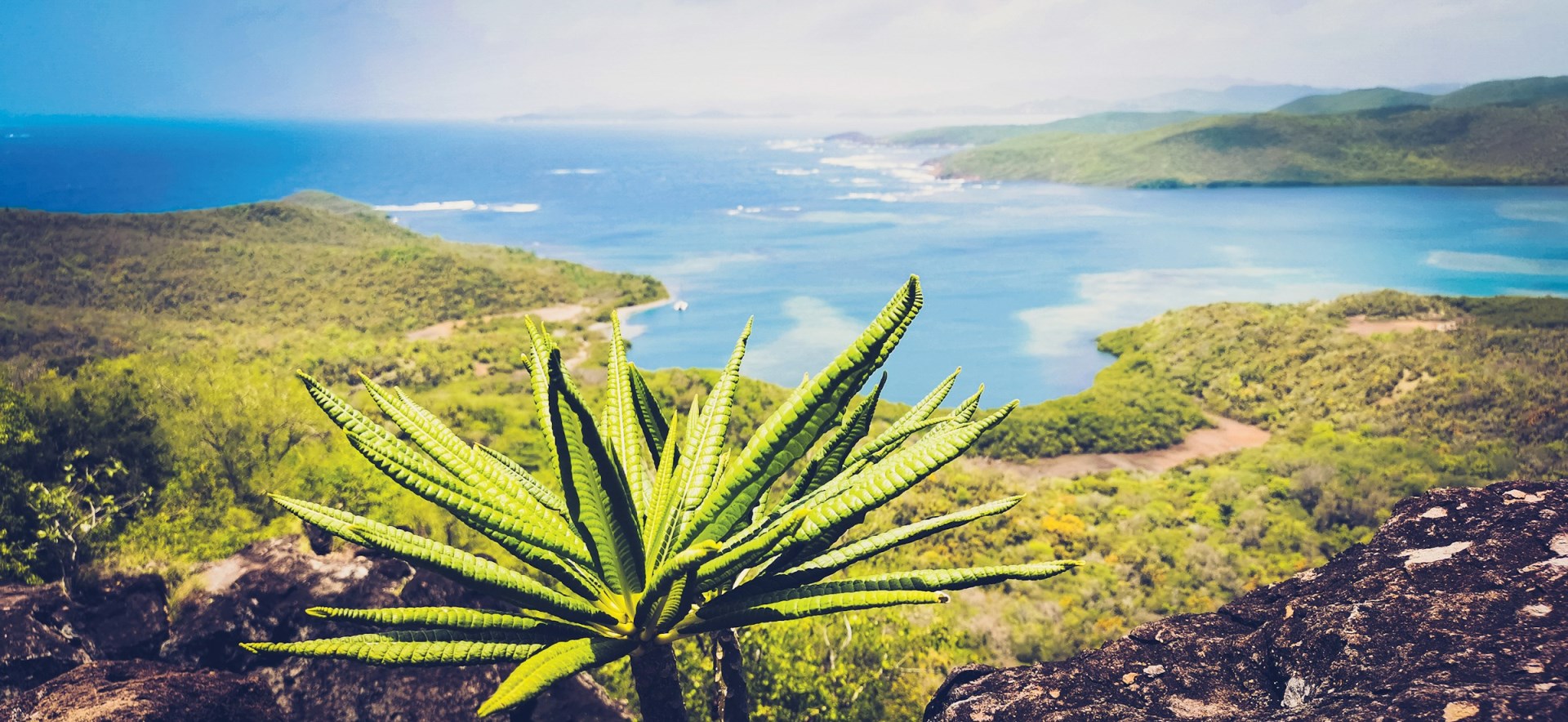
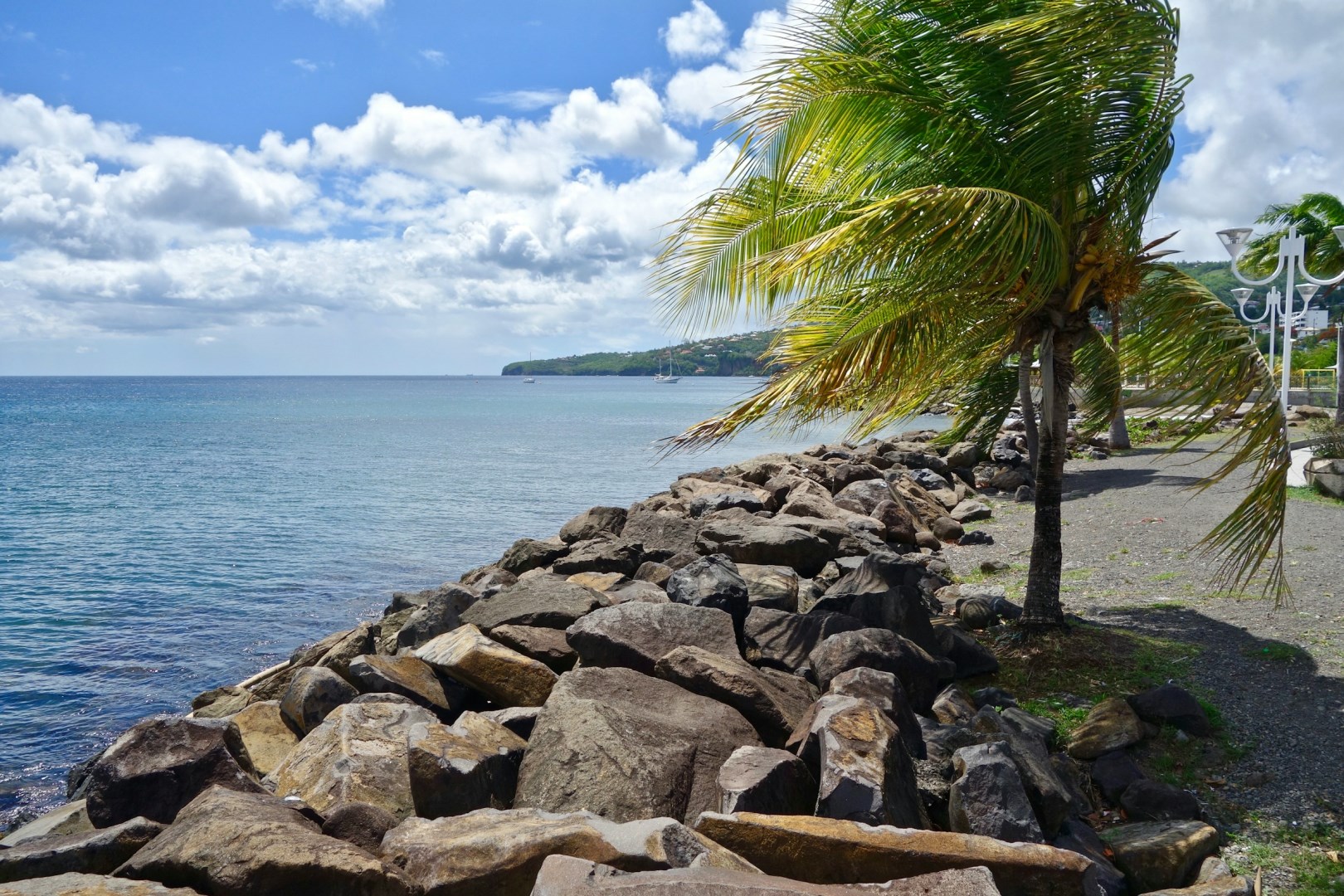
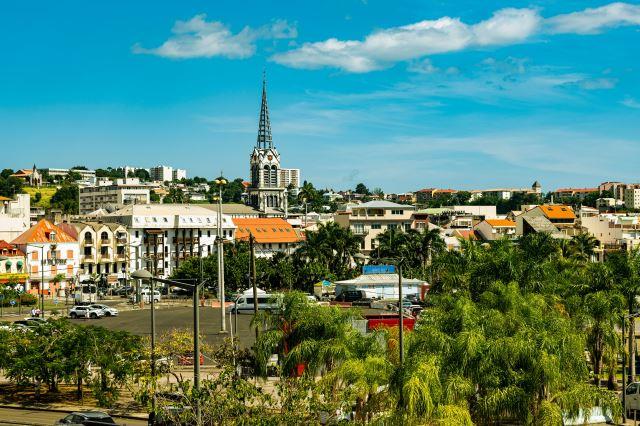
La Trinité is a coastal town on Martinique’s northeastern side, facing the Atlantic Ocean and the large bay of the Baie du Trésor. It serves as the main town of the La Trinité arrondissement and is surrounded by a landscape of sugar-cane fields, tropical vegetation, hills, and coastal wetlands. The town itself has a working harbour and a waterfront shaped by fishing and maritime activity. Its location also provides access to the Caravelle Peninsula, one of Martinique’s most varied natural areas, where dry forest, mangroves, cliffs, beaches, and coastal paths occur within a relatively compact landscape.
La Trinité reflects the Creole identity of Martinique through its food, religious traditions, music, and connections with agriculture and fishing. Sugar cane has long been important to the surrounding countryside, and the area is associated with the Saint-James rum heritage of Sainte-Marie and the wider agricultural traditions of northern Martinique. The town’s churches, market, waterfront, and local businesses provide a view of everyday life beyond the island’s principal resort districts. Nearby villages and plantations also preserve elements of the island’s rural heritage, while Martinican Creole remains an important part of local cultural expression.
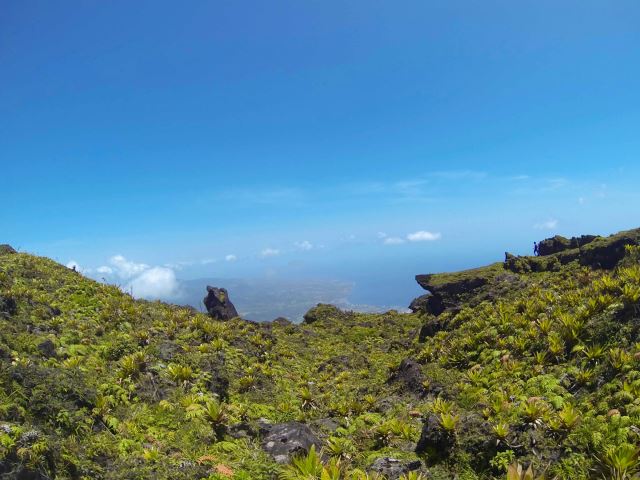
The Caravelle Peninsula is the principal natural attraction near La Trinité and forms part of a protected area managed by the Parc naturel régional de la Martinique. Hiking trails cross dry forest, mangrove, coastal cliffs, and grassy headlands, with viewpoints overlooking the Atlantic and the Baie du Trésor. Château Dubuc, a ruined plantation estate on the peninsula, is another notable site, while the Maison de la Nature provides information about the local environment. The nearby beaches of Tartane and Anse l'Étang offer swimming and coastal recreation, and the peninsula’s reefs and rocky shoreline support diverse marine habitats.
Local cuisine in La Trinité draws heavily on seafood, tropical produce, and Creole cooking. Fresh fish, accras de morue, boudin créole, crab dishes, plantains, root vegetables, and spicy sauces are commonly associated with Martinican cuisine. Sugar cane is especially significant in the surrounding region, and Saint-James rum is produced nearby at Sainte-Marie, where the Musée de la Banane also explores an important agricultural crop. One distinctive feature of La Trinité is the contrast between its working coastal town, cultivated inland areas, and the protected Caravelle Peninsula, bringing together fishing, farming, heritage, and Atlantic landscapes within the same part of Martinique.
Email Us
Call Us
603.716.6869
Location
103 Mountain View Road
Deerfield, NH 03037



The Restless Breed is for the creators, the rebels, the ones with something to say - Even if they say it without a word.
This isn't fashion, it's a FLAG.

Consider donating to Skye Travel Corp's favorite foundation, Tunnels to Towers.
Our company supports veterans and American heroes.