
Specializing in business travel, group and incentive travel and ALL destinations around the world. Our agents have a combined total of over 100 years of travel experience!
603.716.6869
Specializing in business travel, group and incentive travel and ALL destinations around the world. Our agents have a combined total of over 100 years of travel experience!
603.716.6869

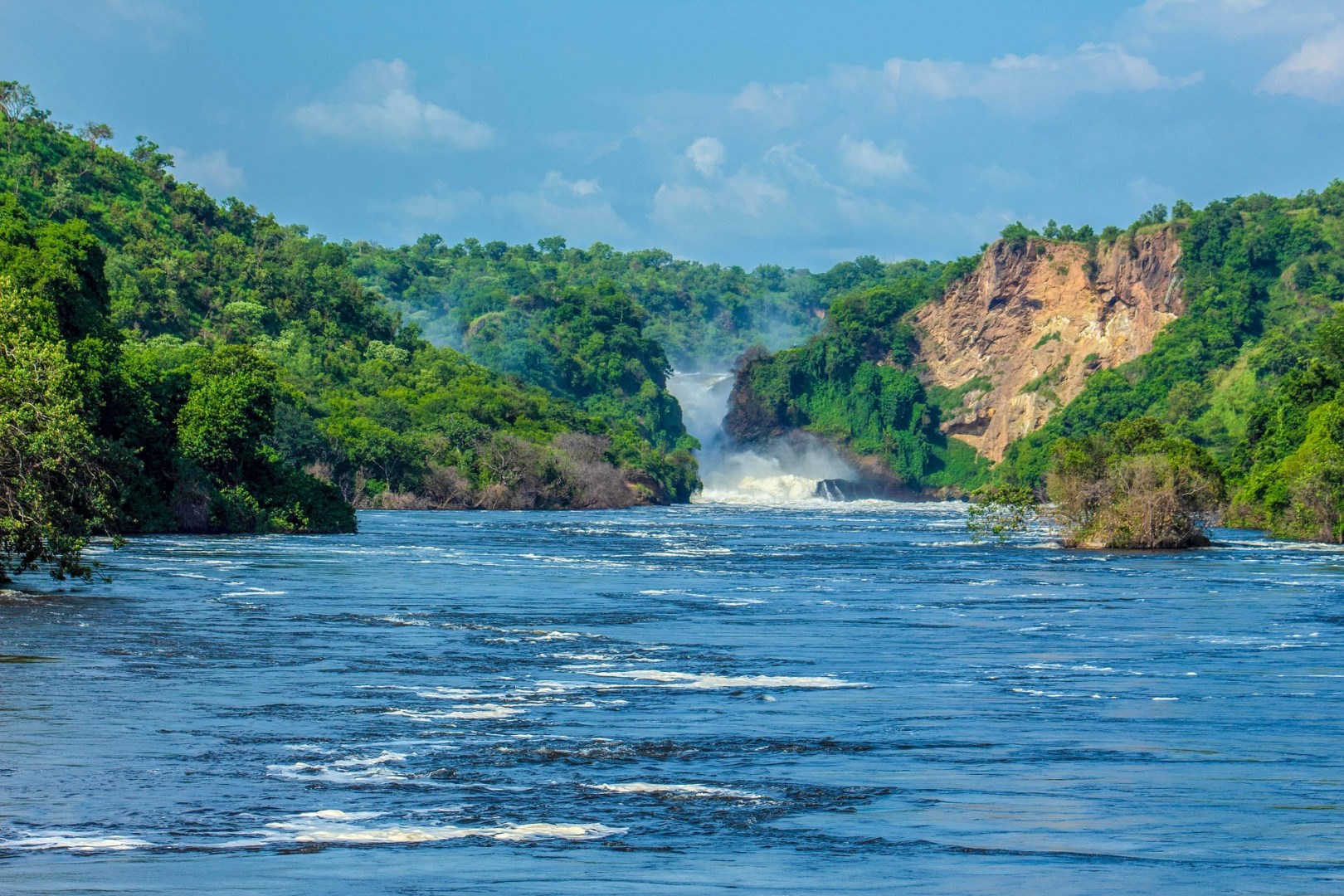
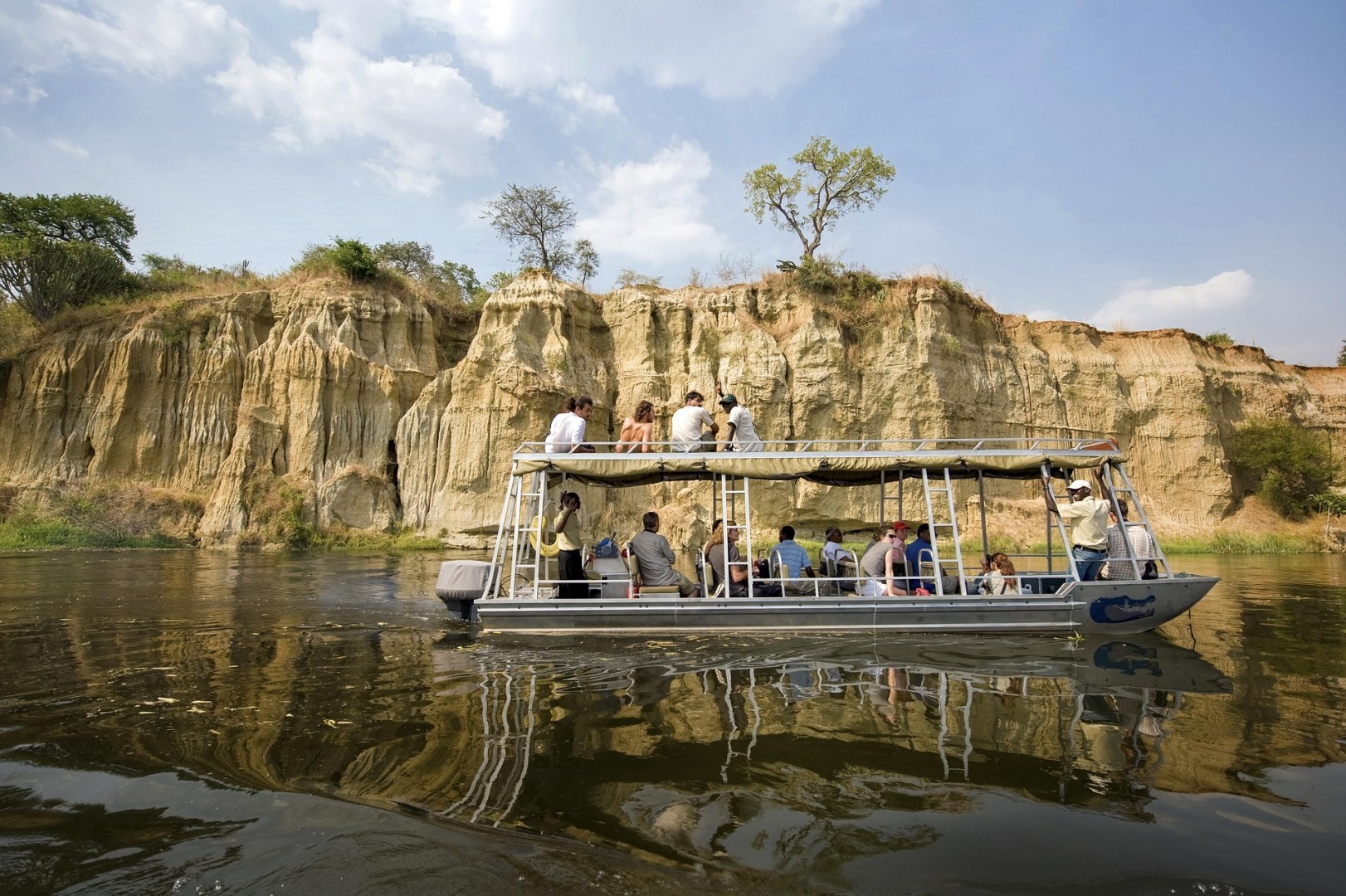
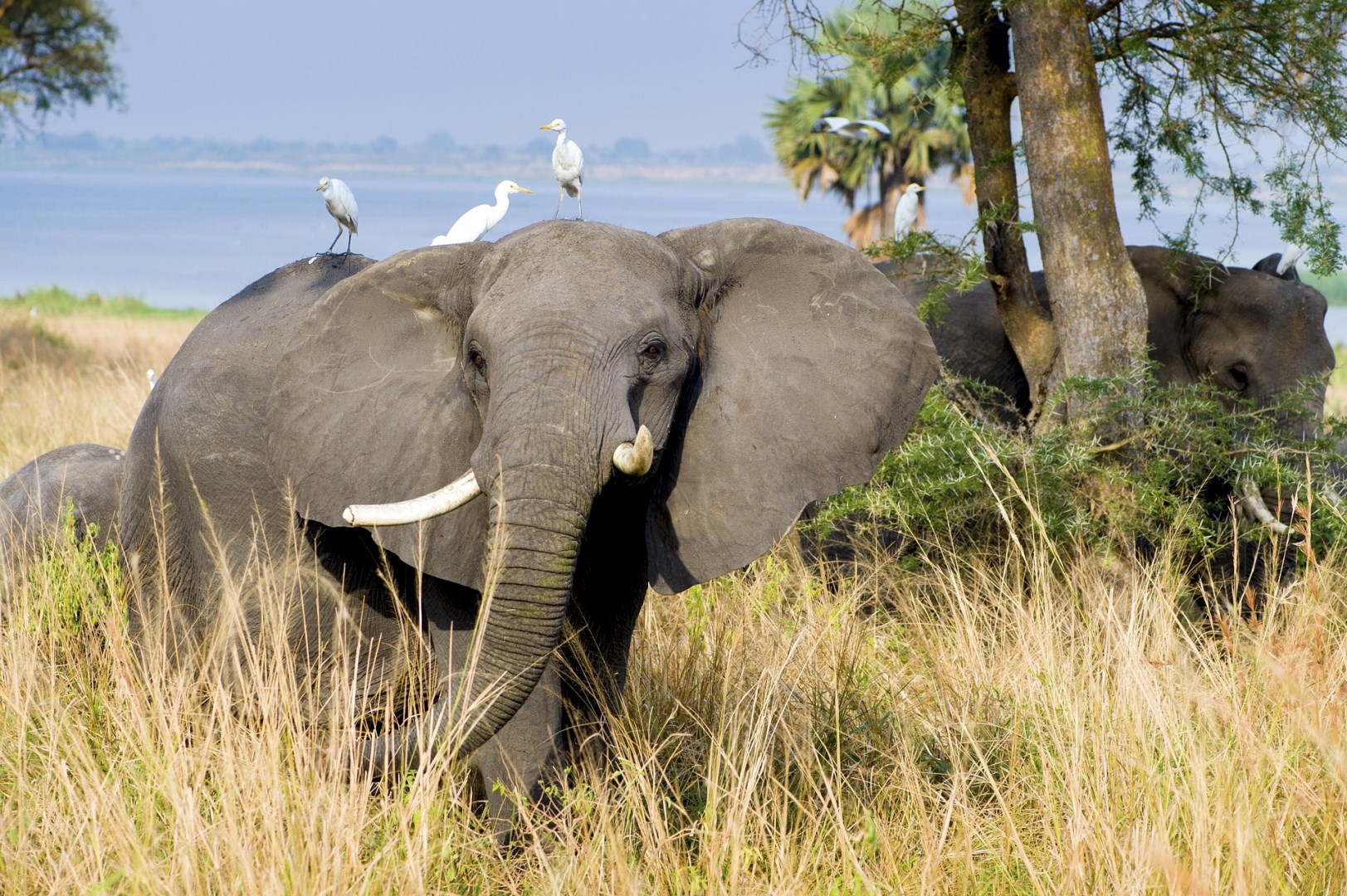
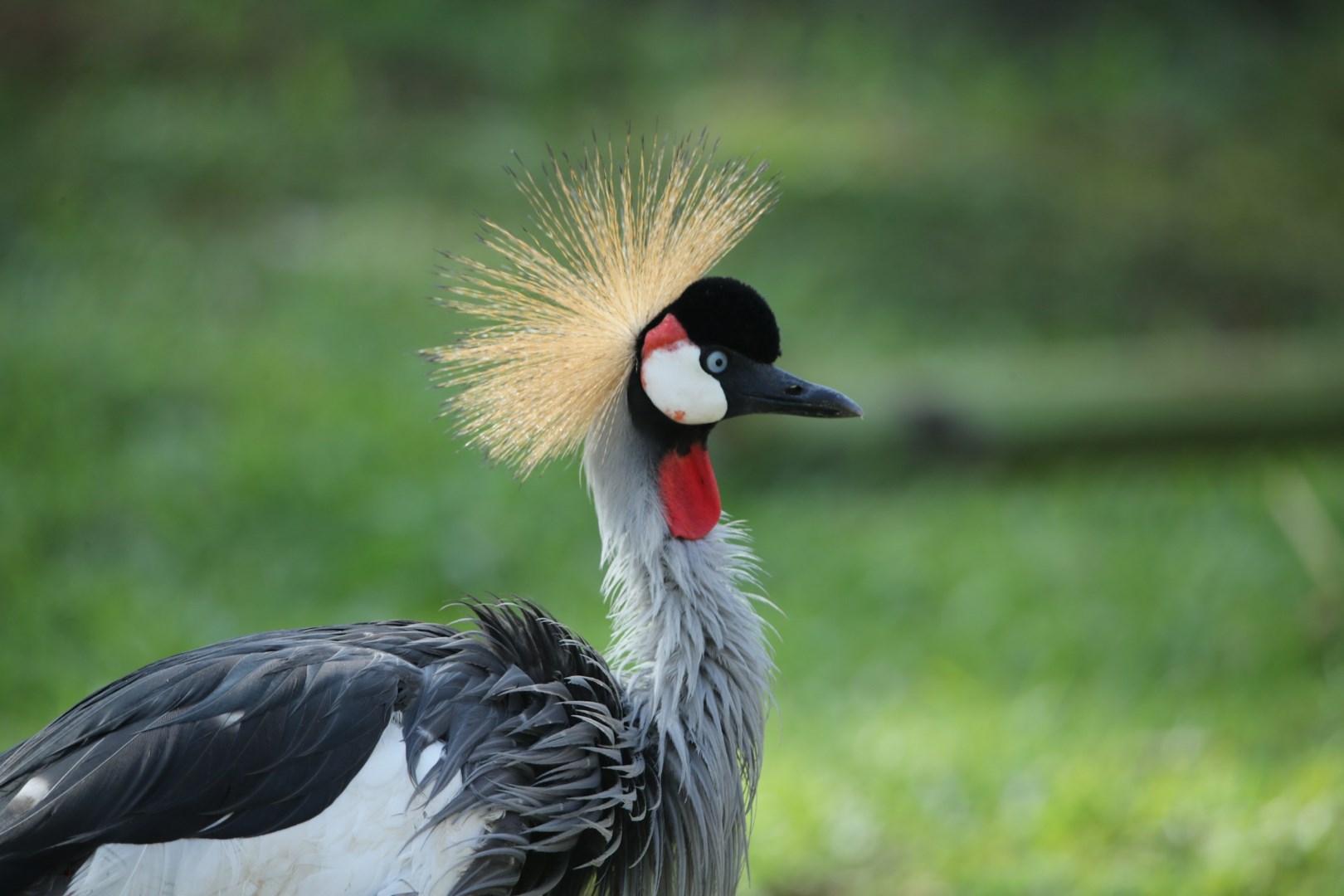
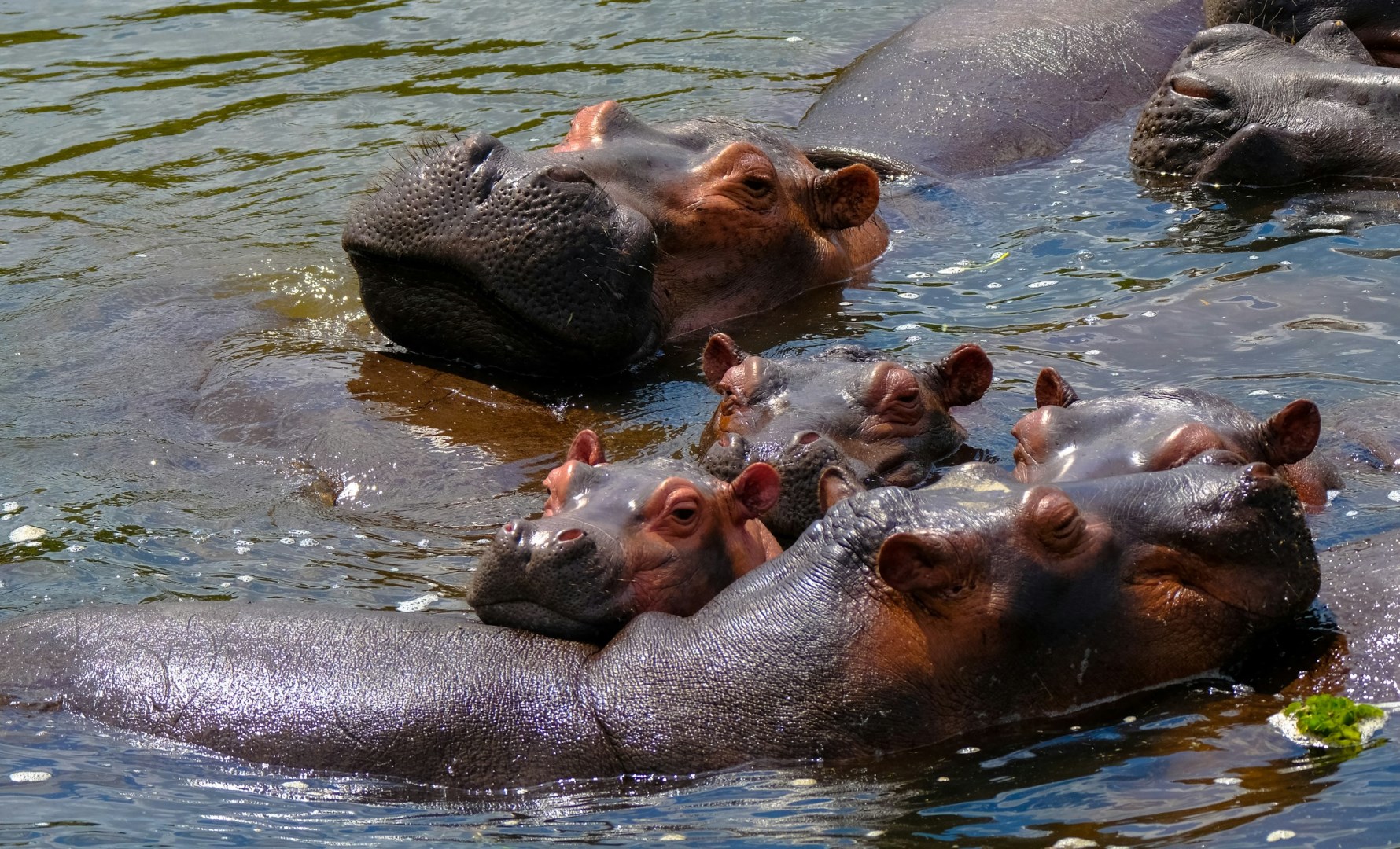
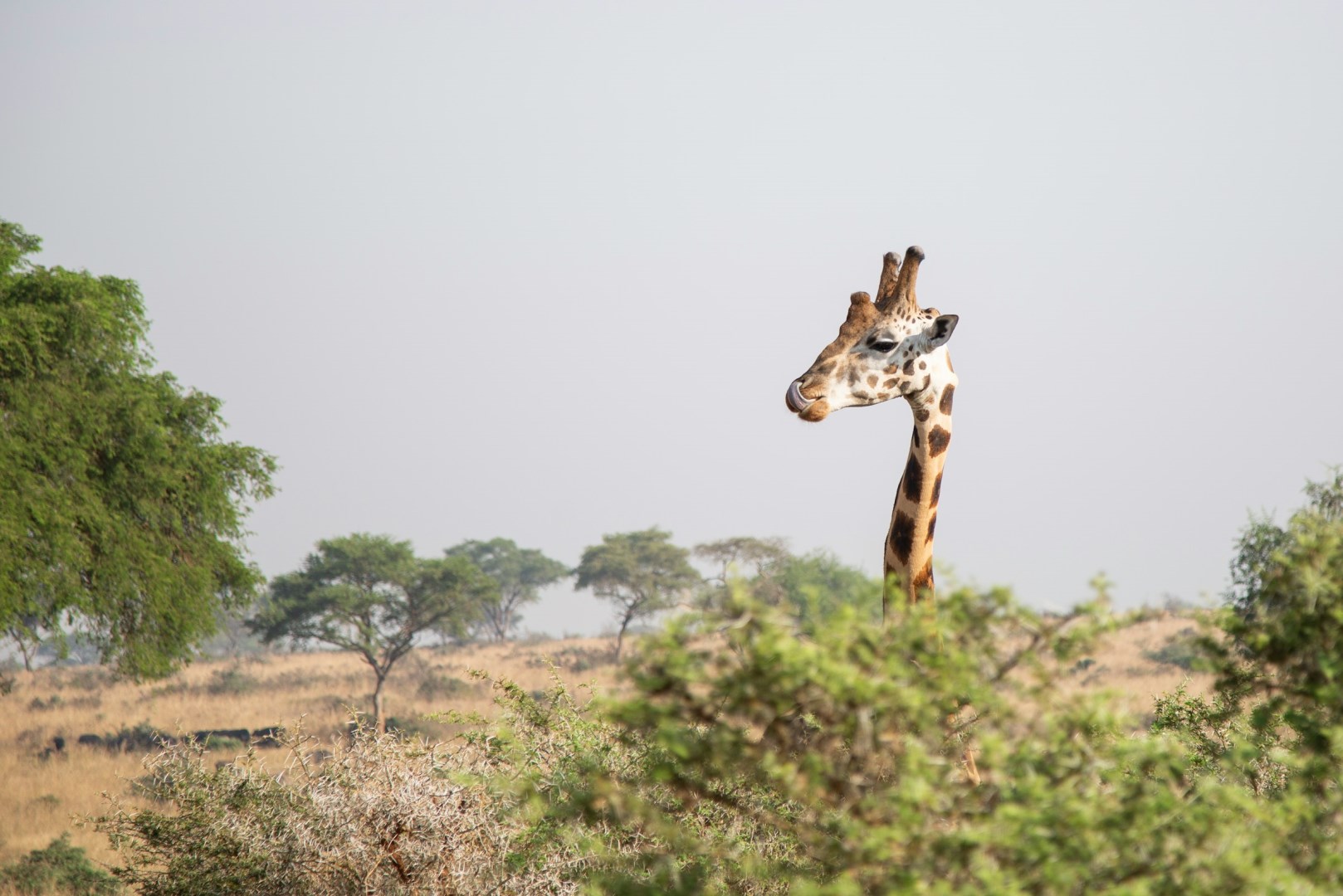
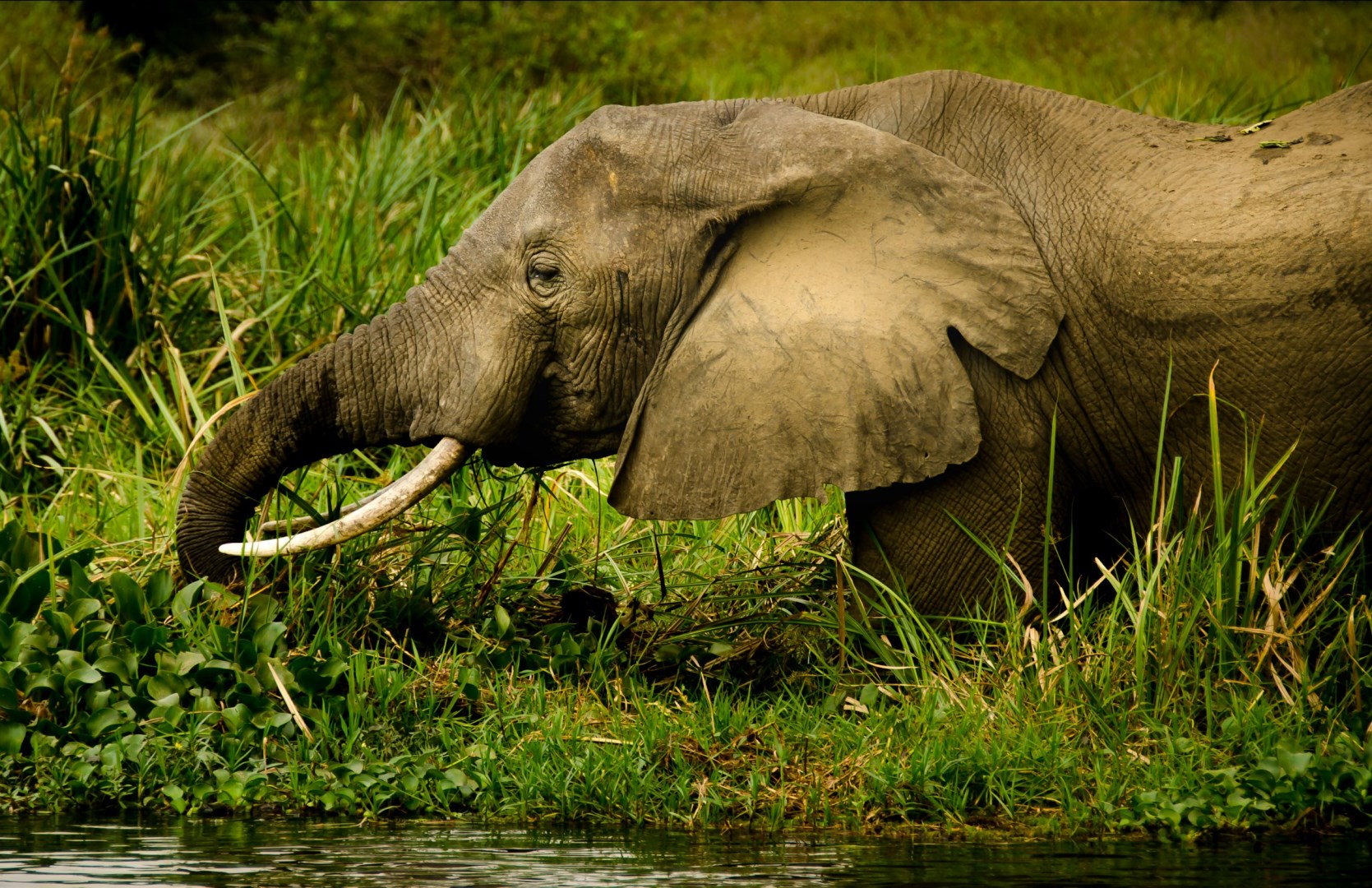
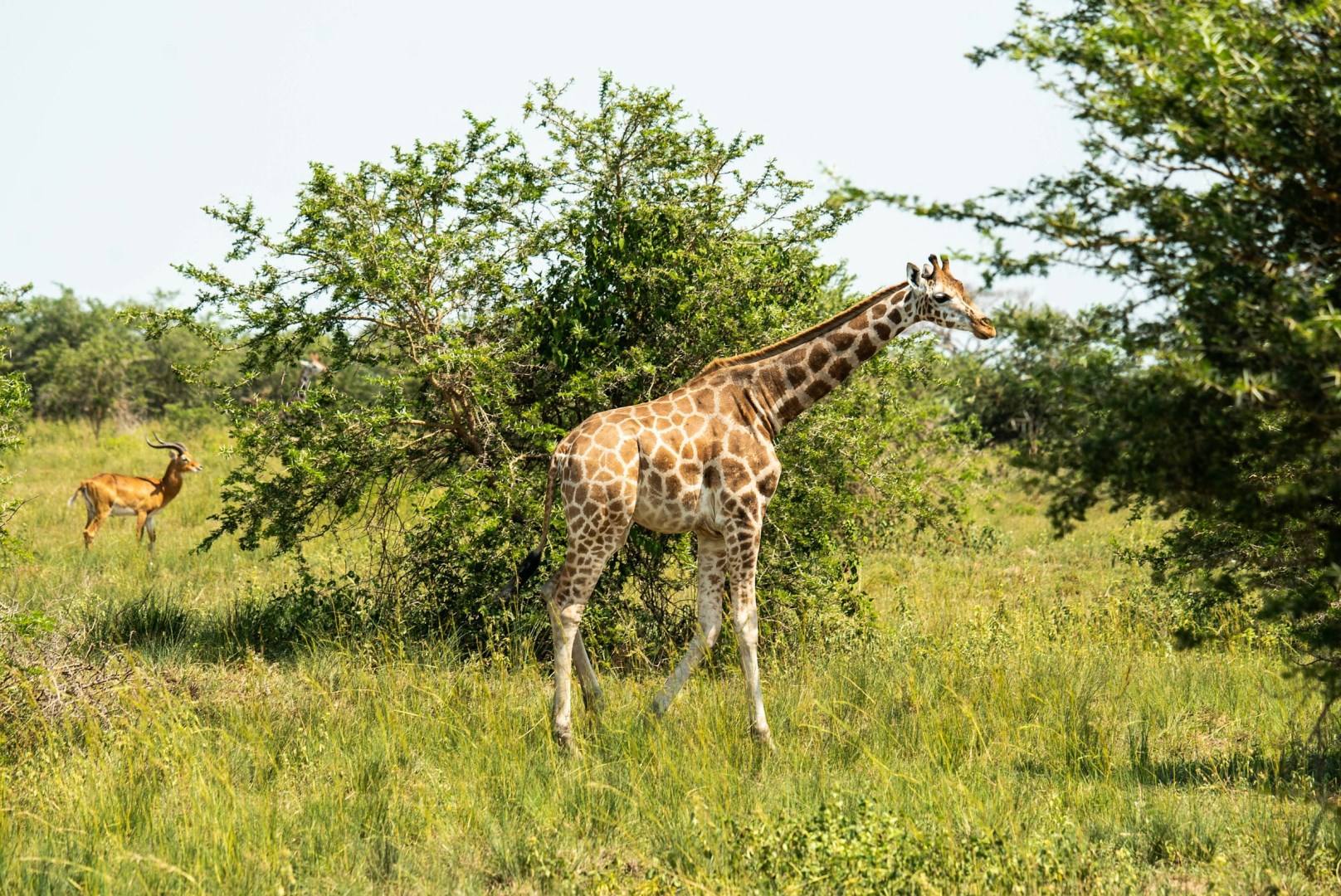
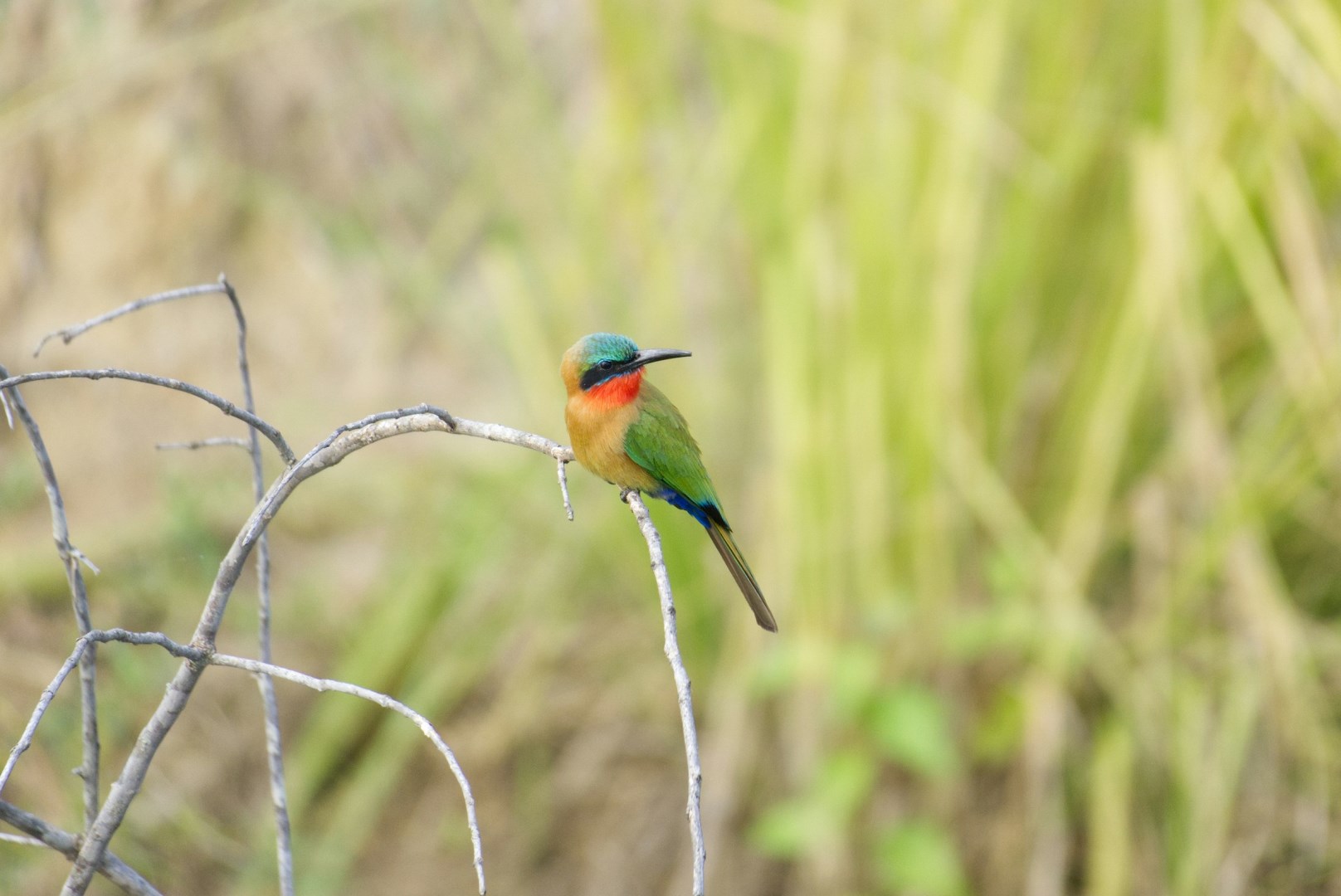
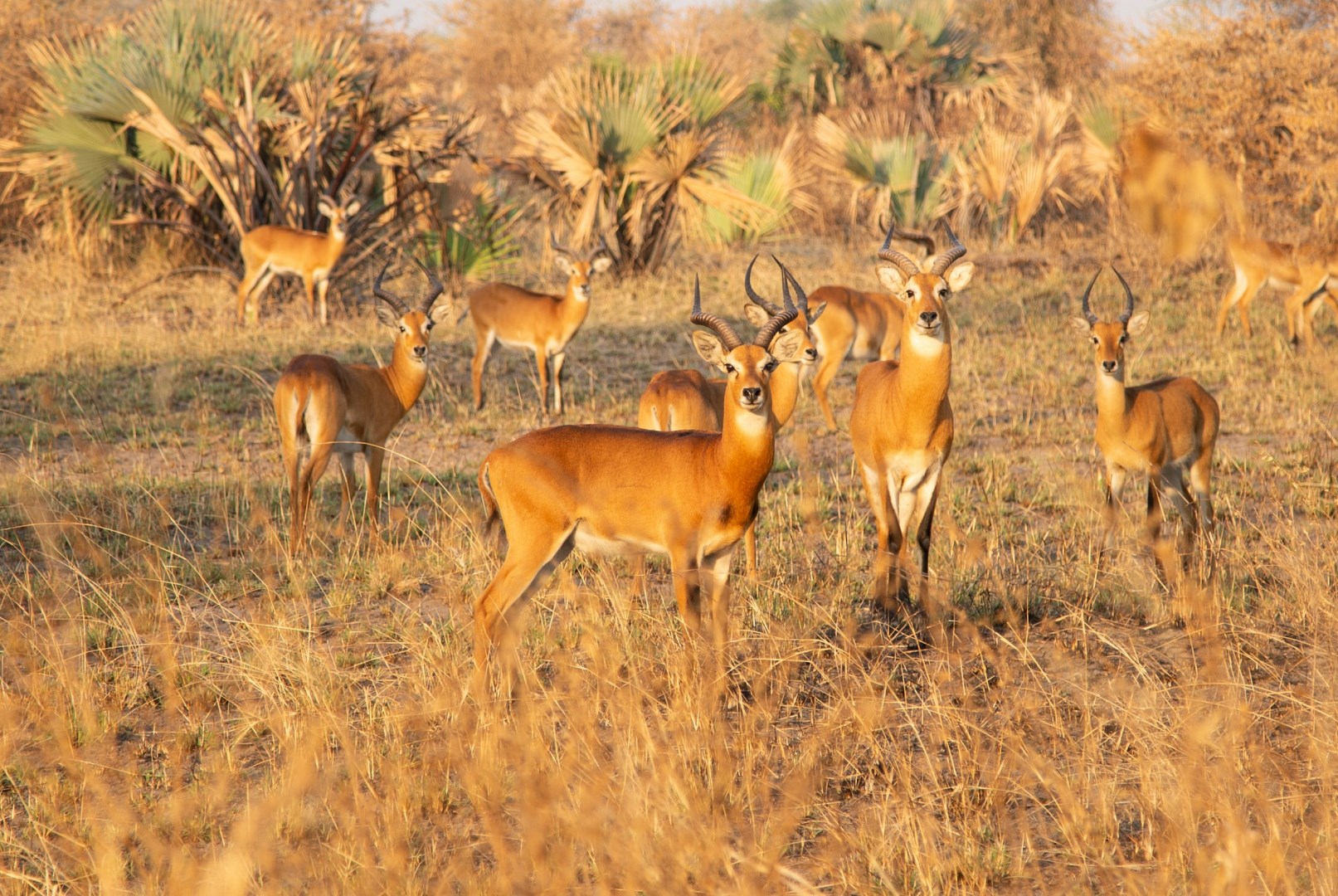
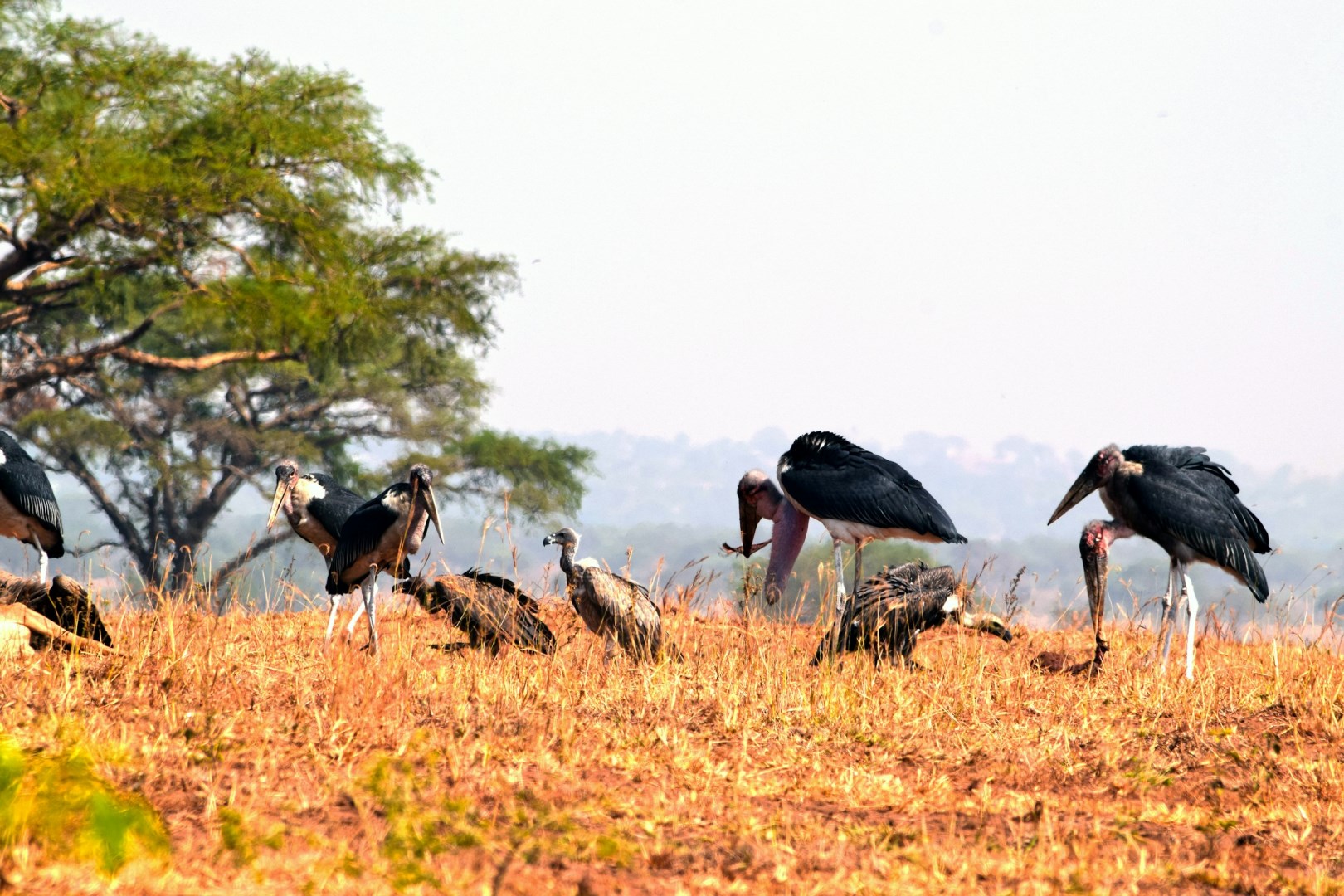
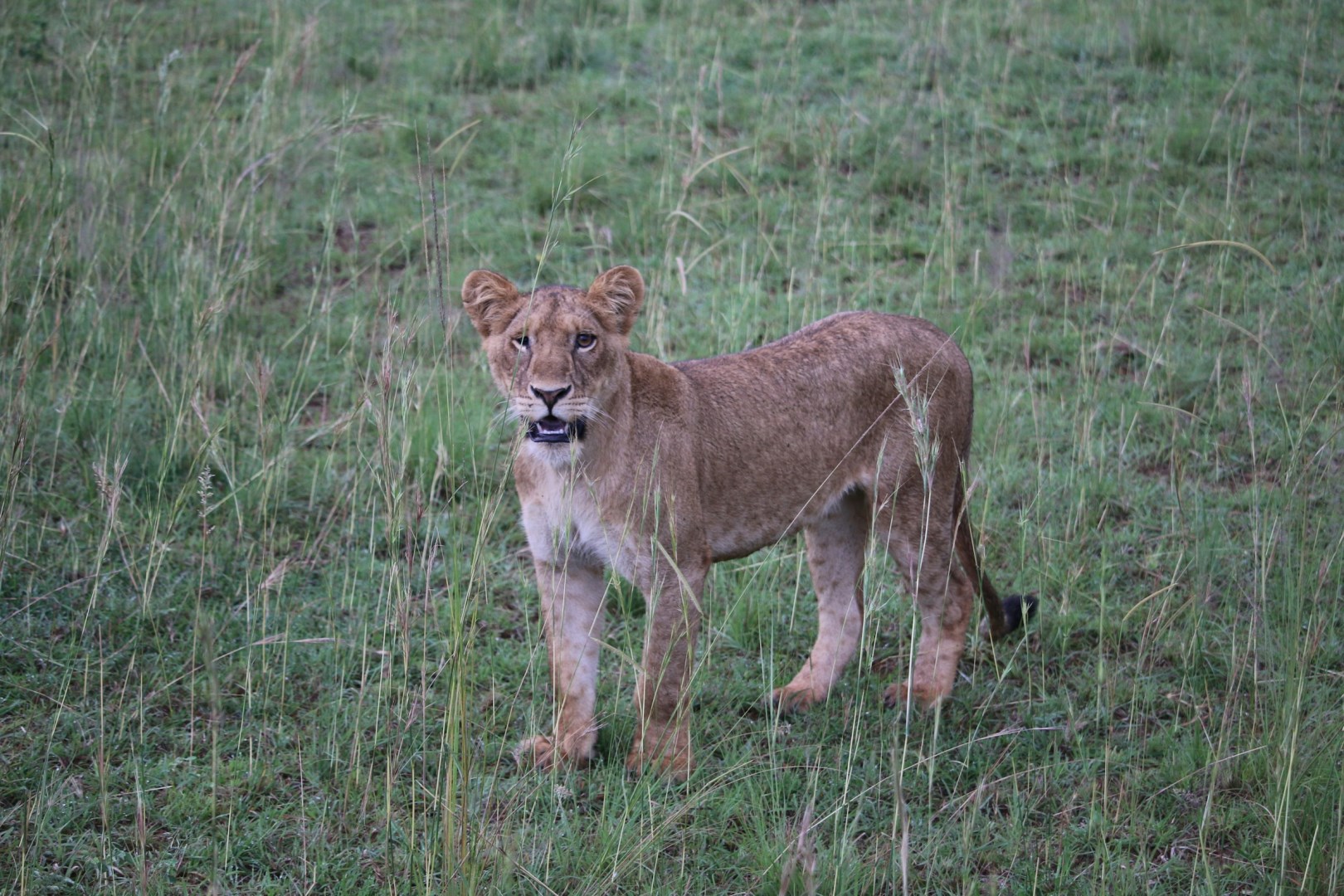
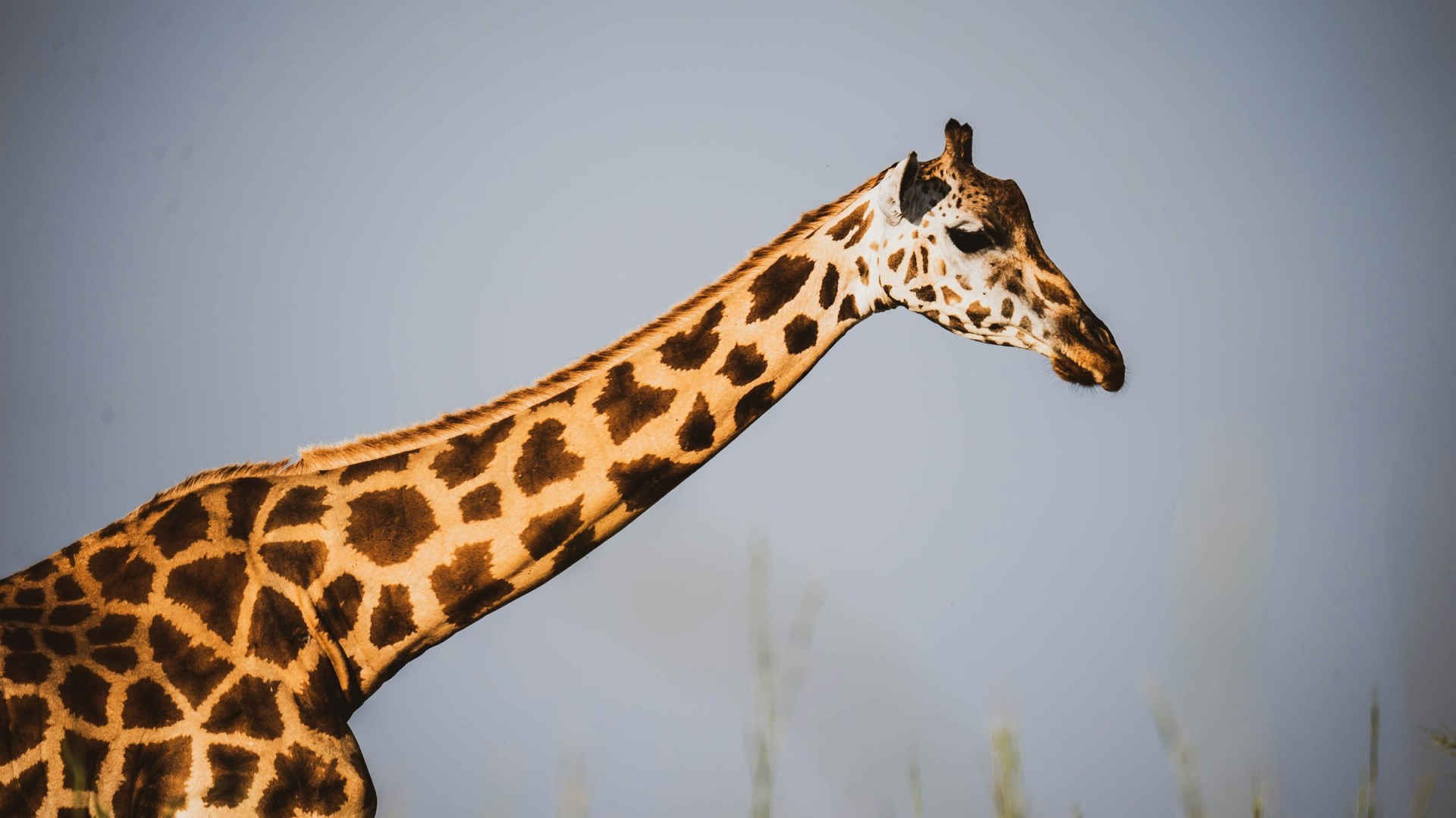
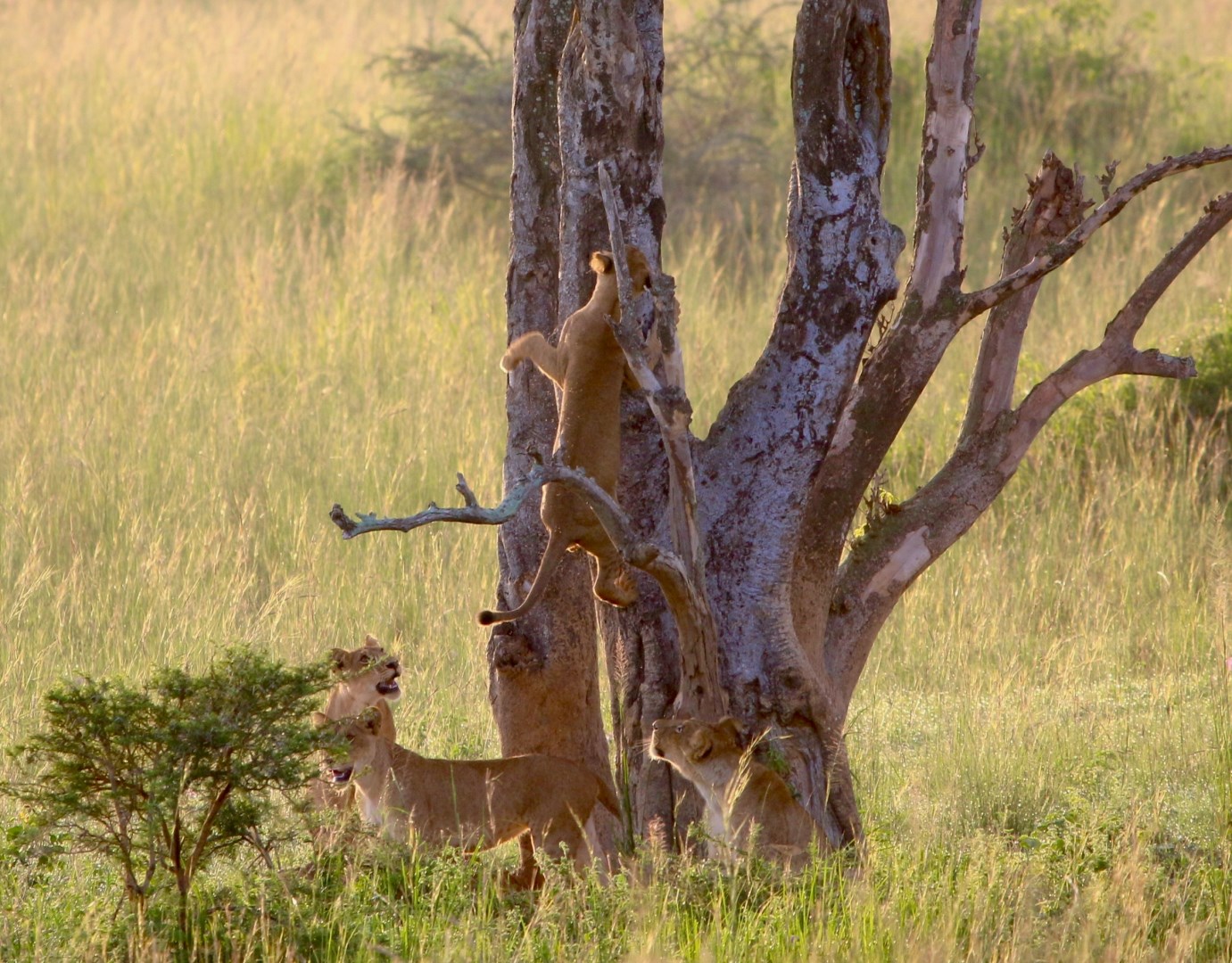
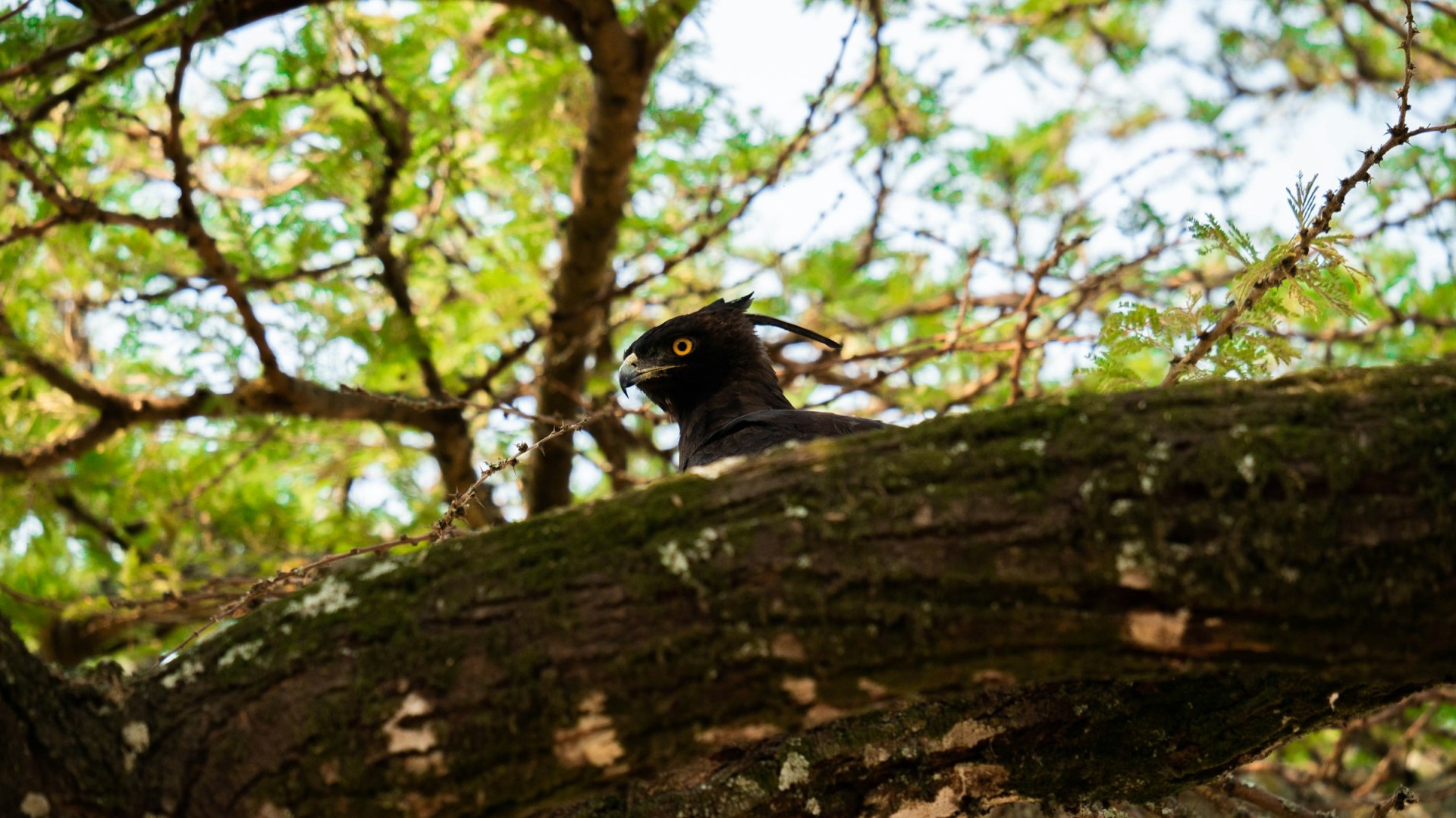
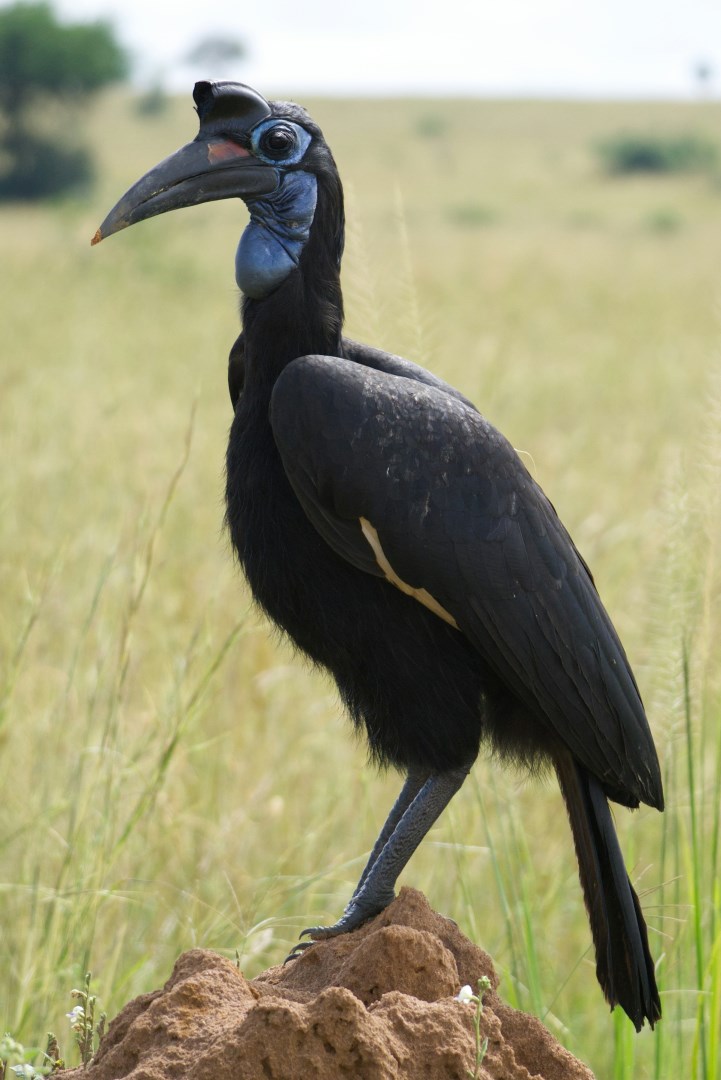
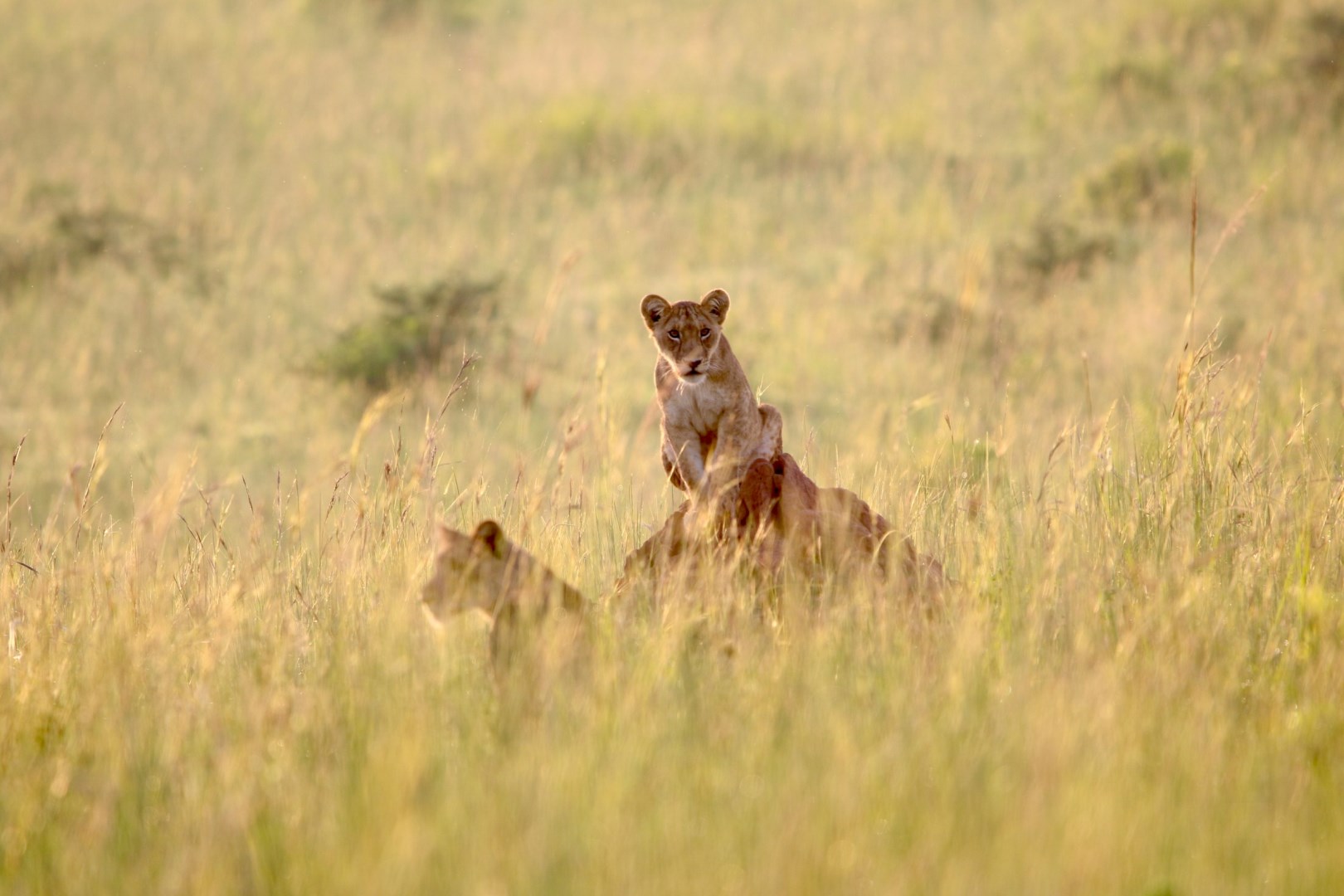
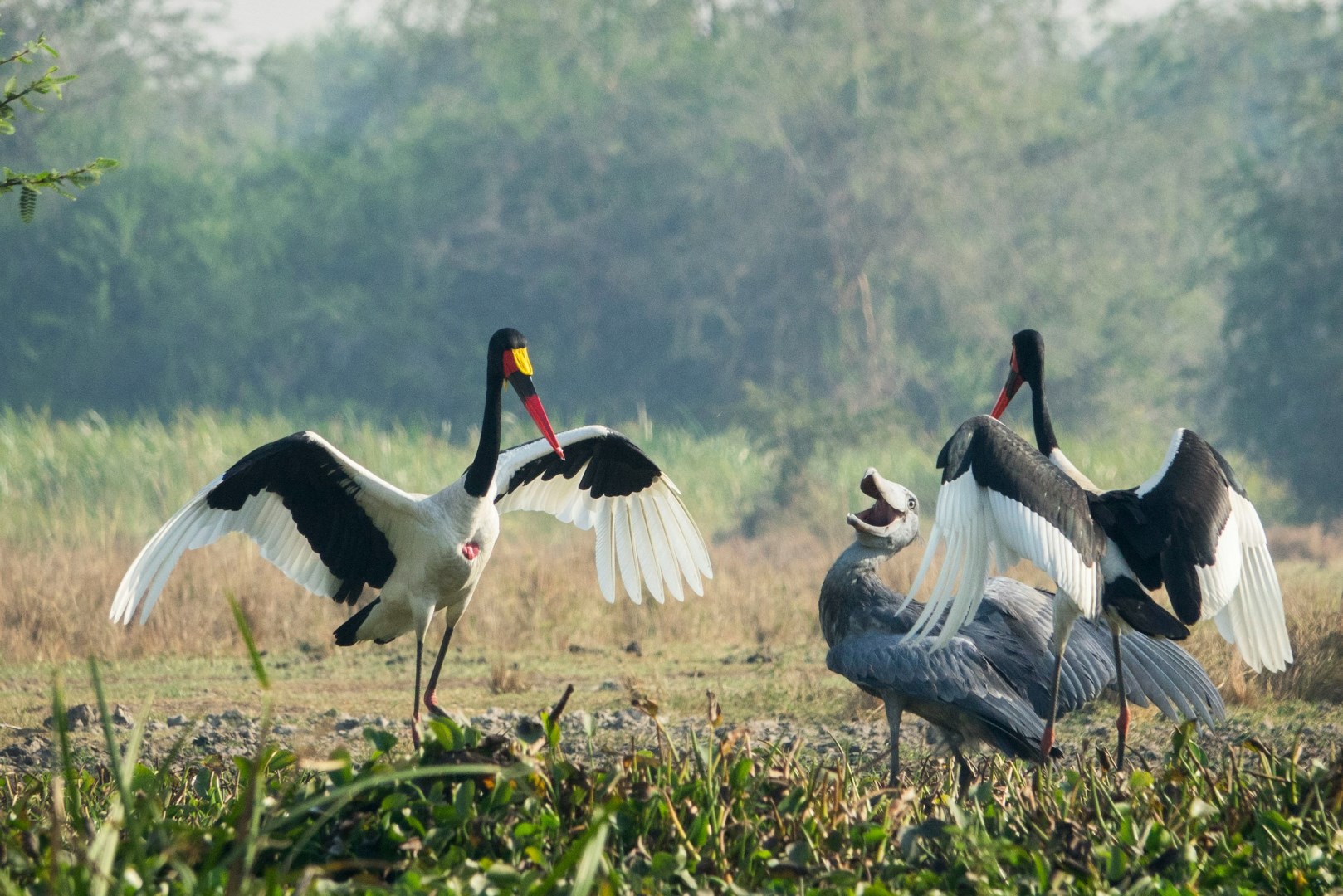
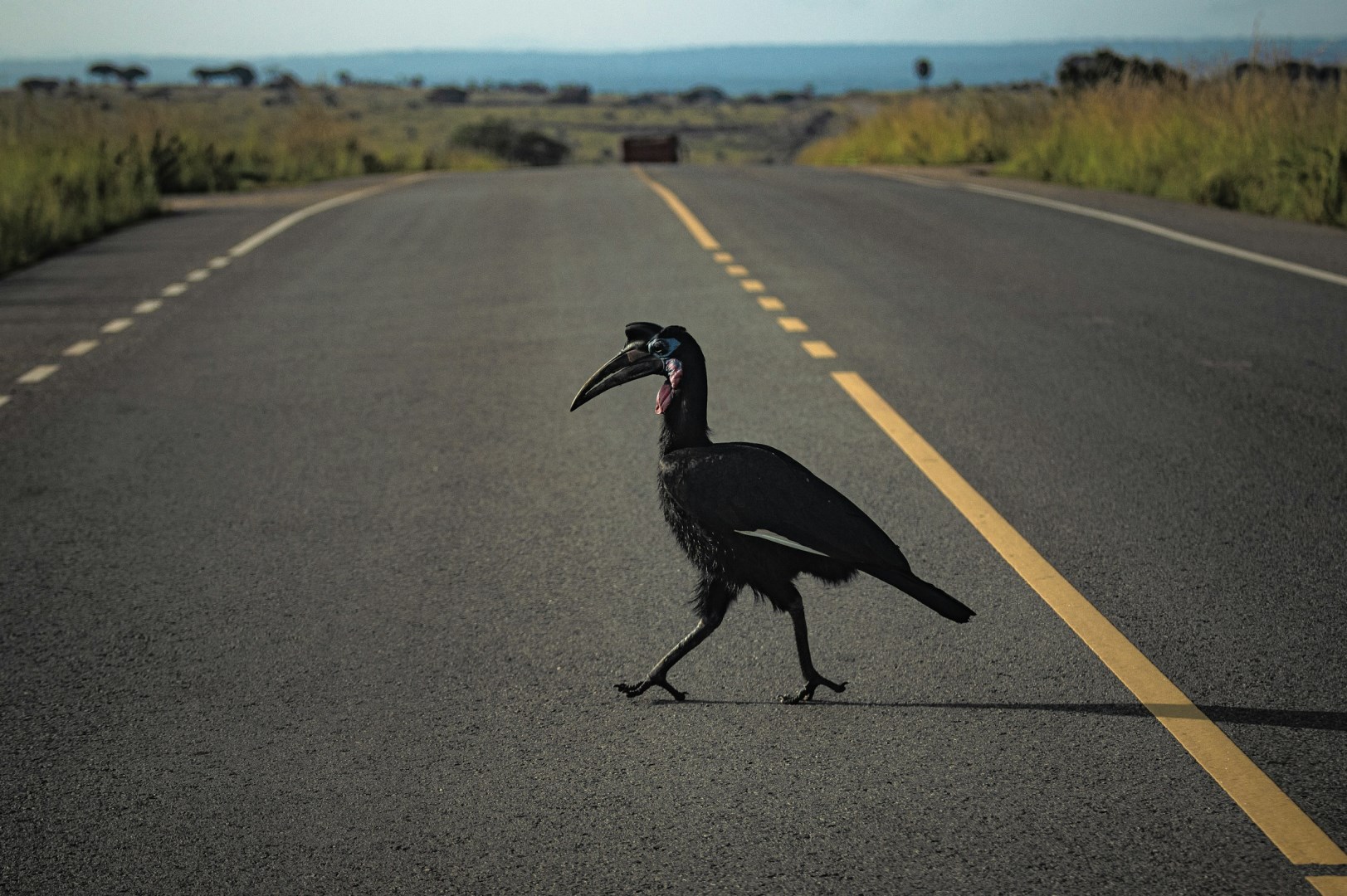
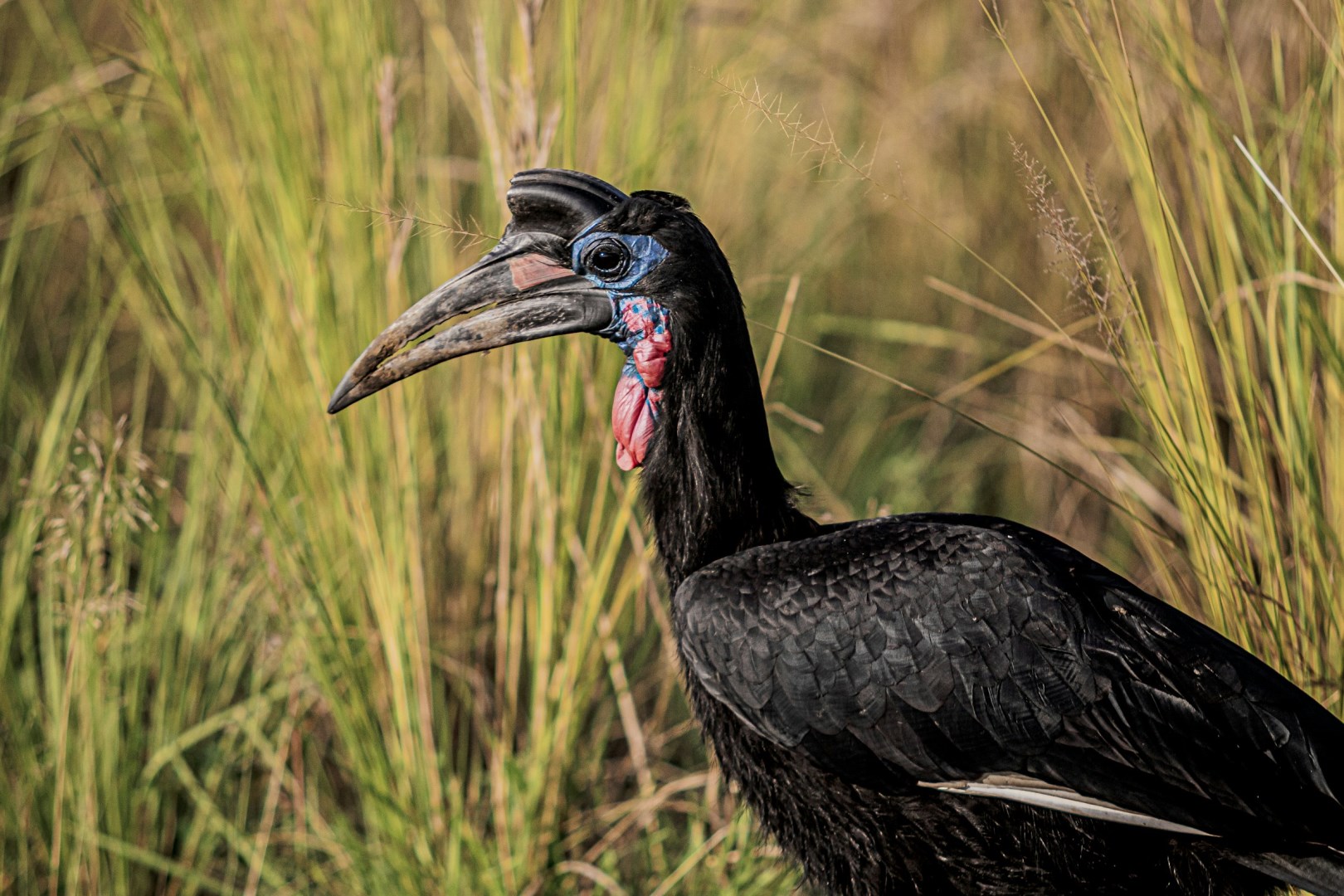
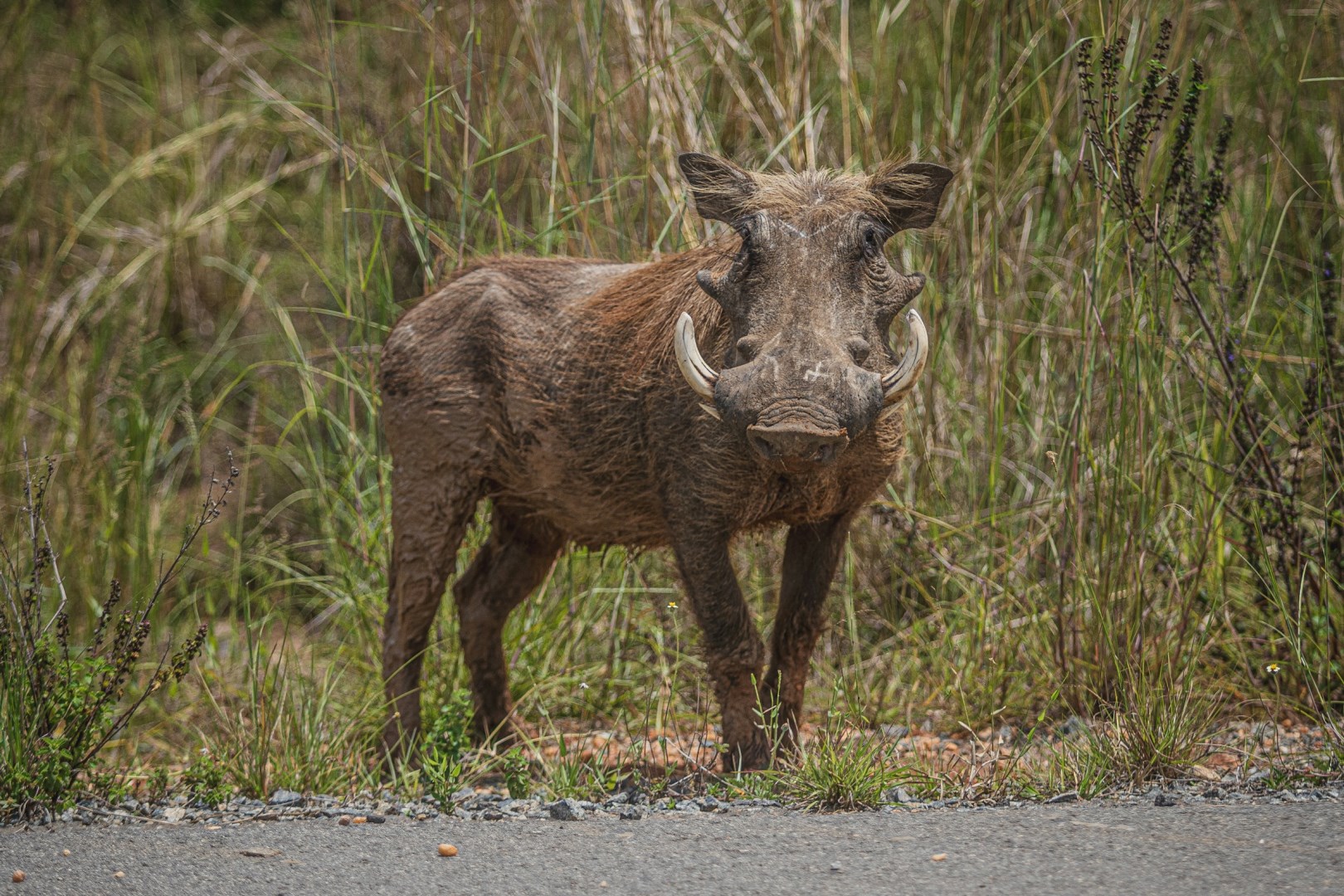
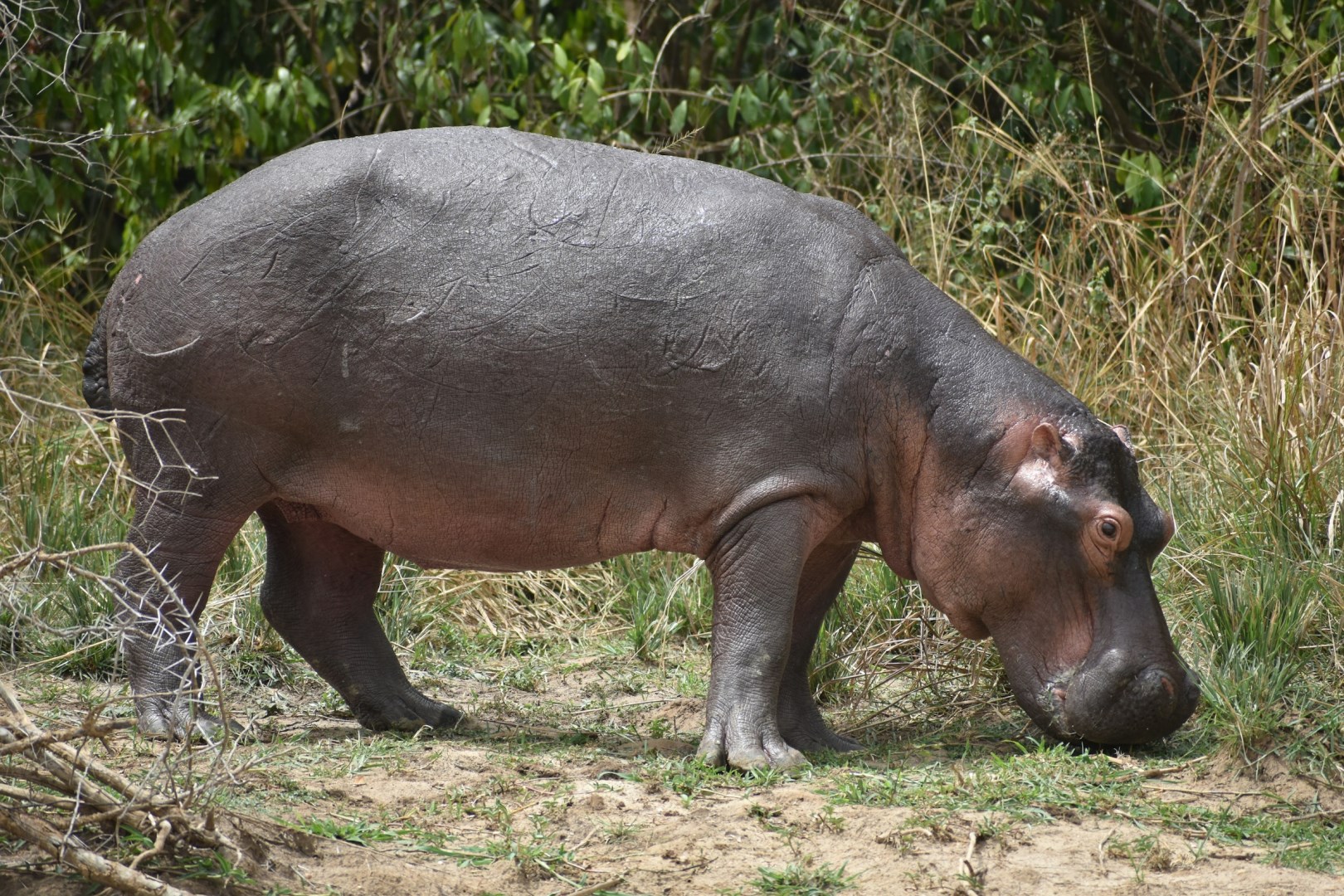
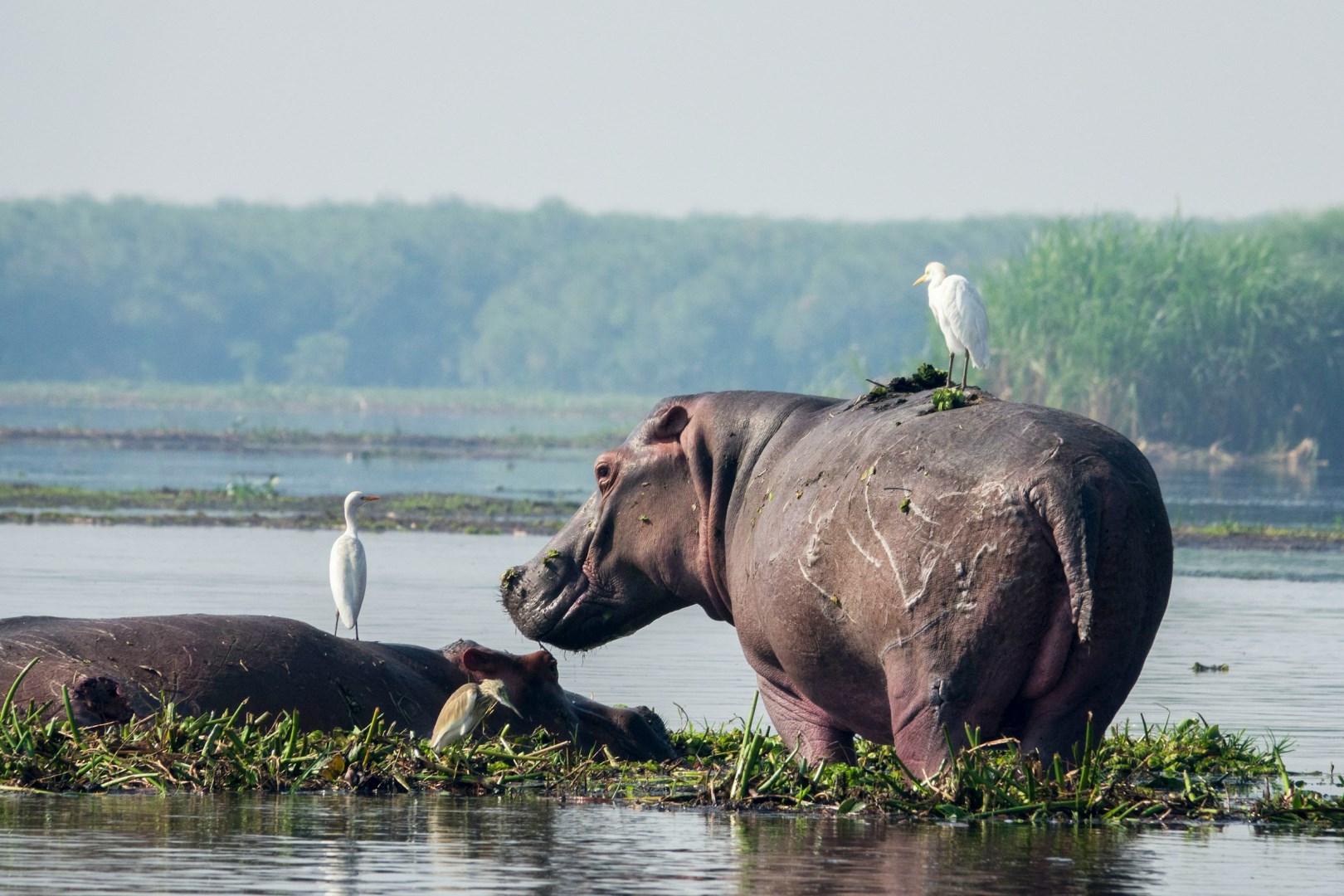
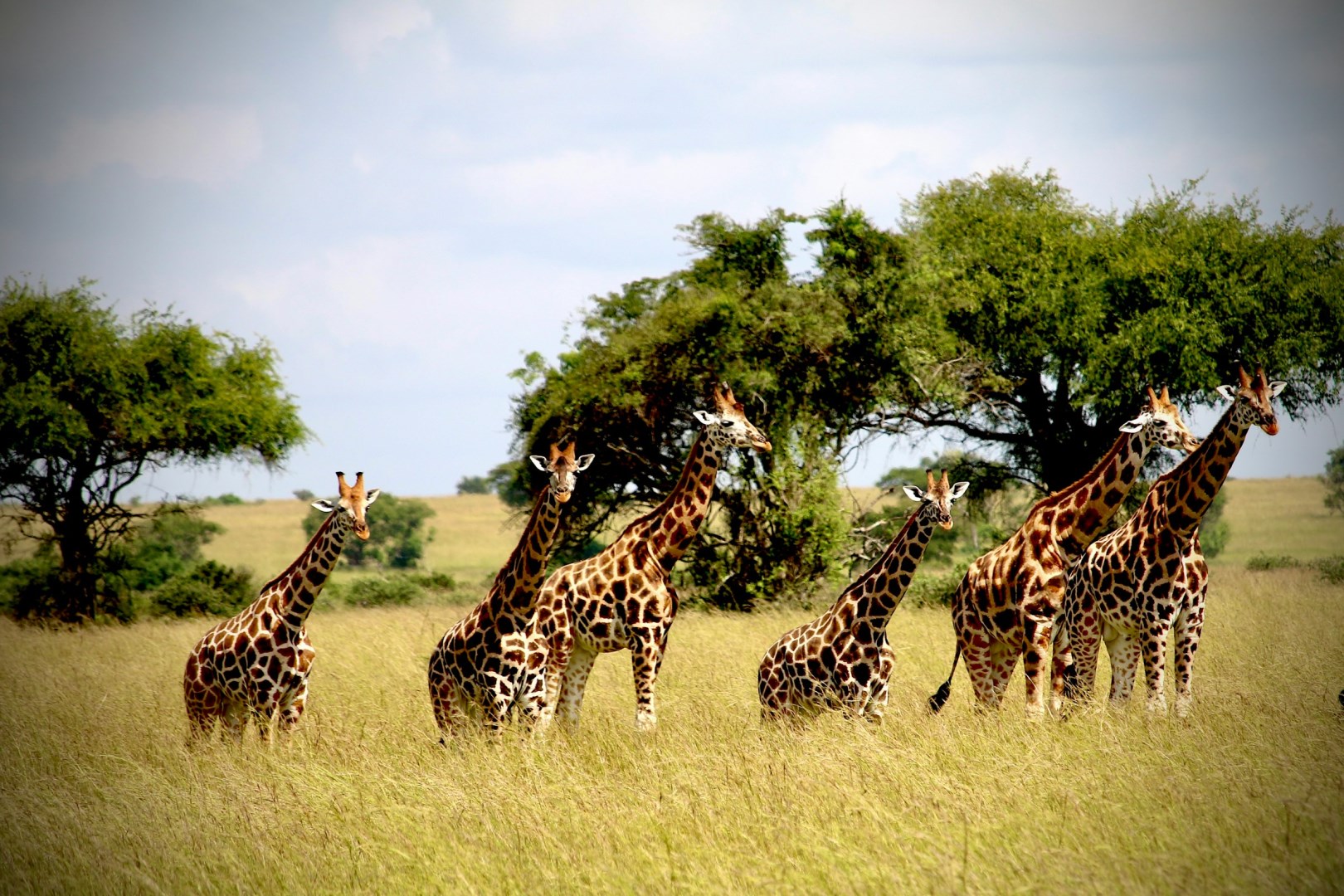
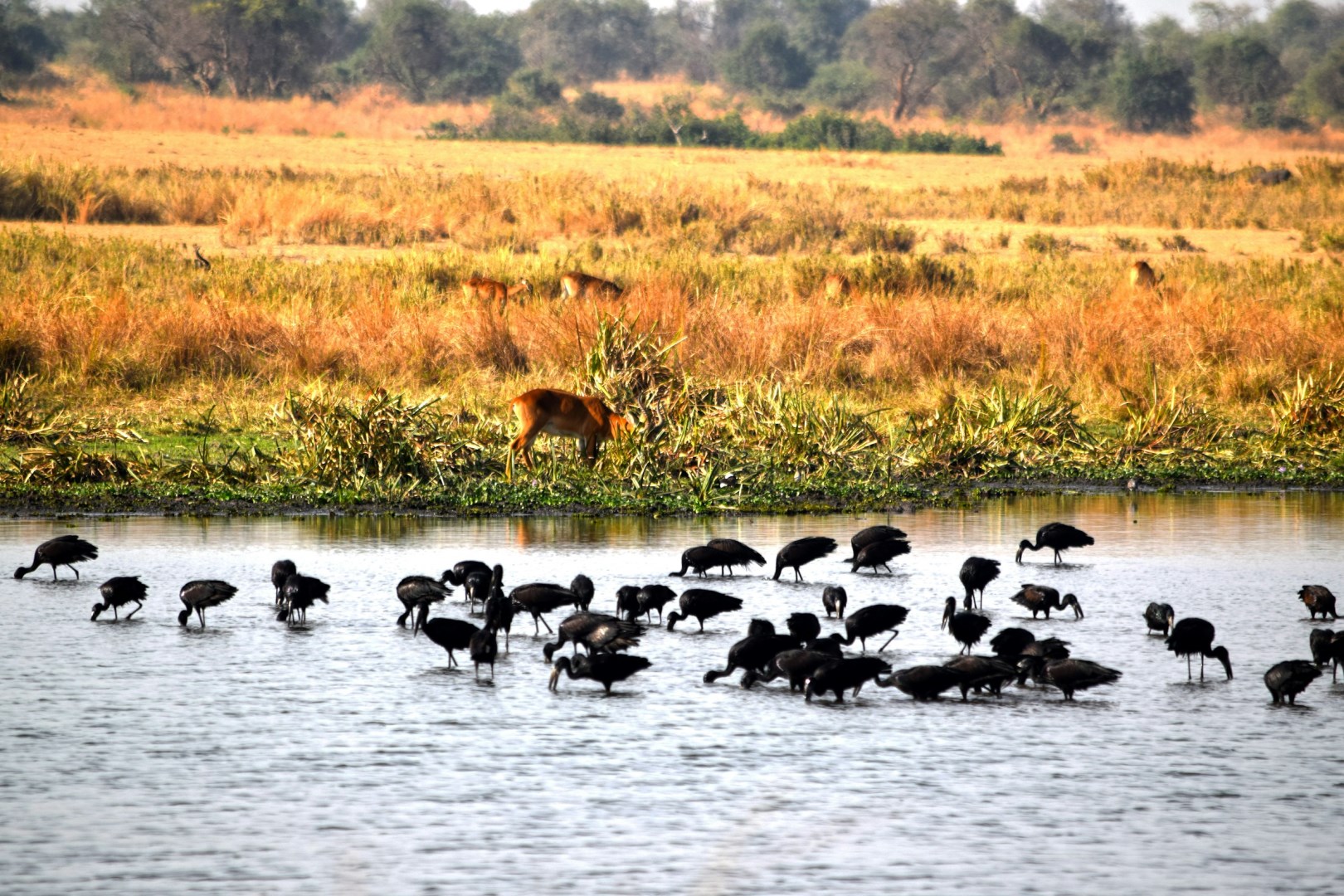
Murchison Falls is one of Uganda’s best-known natural landmarks, located within Murchison Falls National Park in the northwestern part of the country. The waterfall forms where the Victoria Nile is forced through a narrow gorge before dropping over the rocks and continuing toward Lake Albert. The surrounding park covers broad savanna, woodland, riverine vegetation, and wetland habitats, creating a landscape shaped by the Nile. The falls themselves are notable for the force and concentration of the water as the river passes through the narrow rock opening.
The area around Murchison Falls has long been connected with communities living along the Victoria Nile and the surrounding savanna. Local livelihoods have traditionally included fishing, farming, and livestock keeping, while the river remains an important natural resource. The national park was established to protect the area's wildlife and habitats, and conservation work now involves government agencies, local communities, and tourism operators. Cultural experiences in the wider region can introduce visitors to traditional music, crafts, food, and village life, adding context to the natural environment surrounding the park.
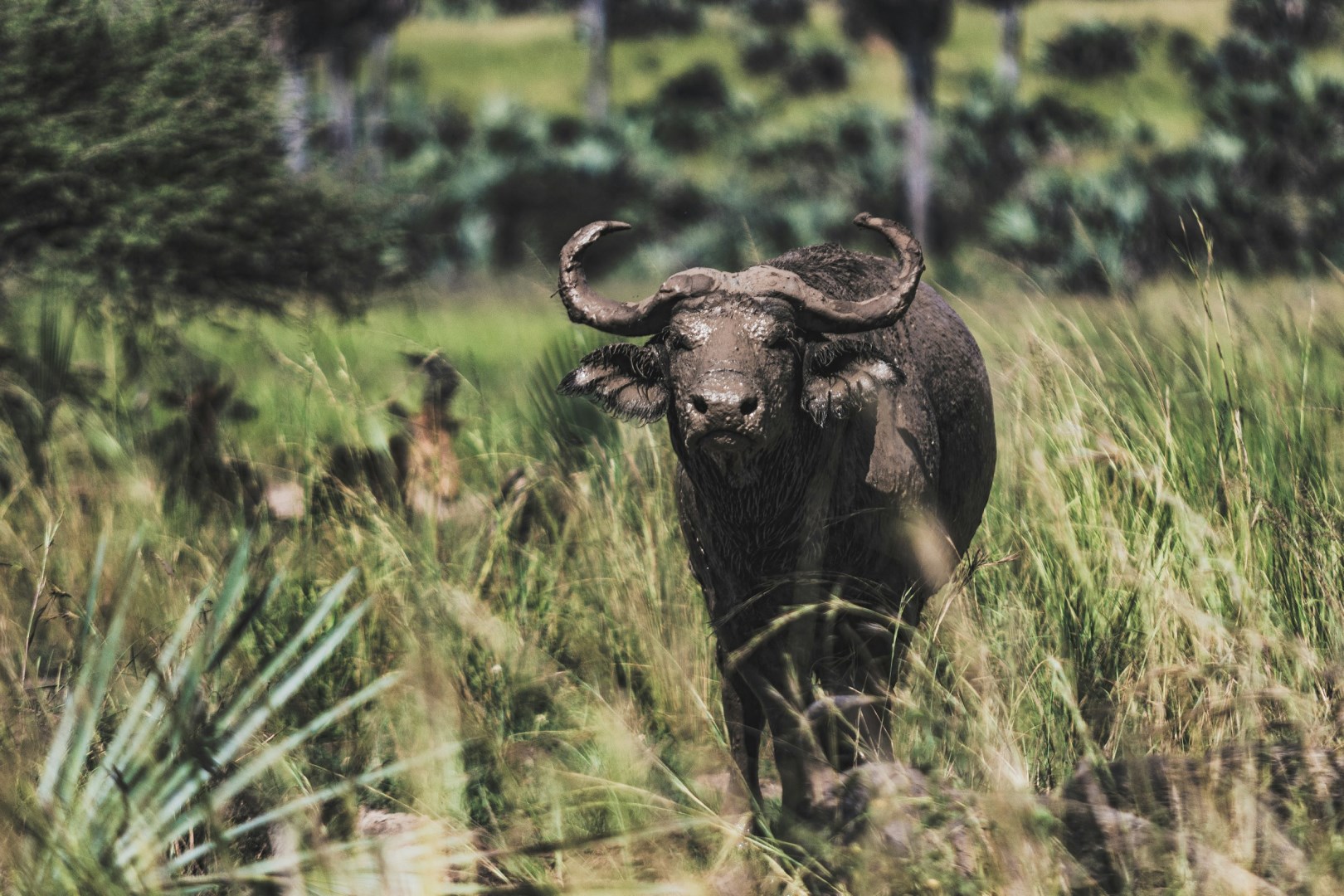
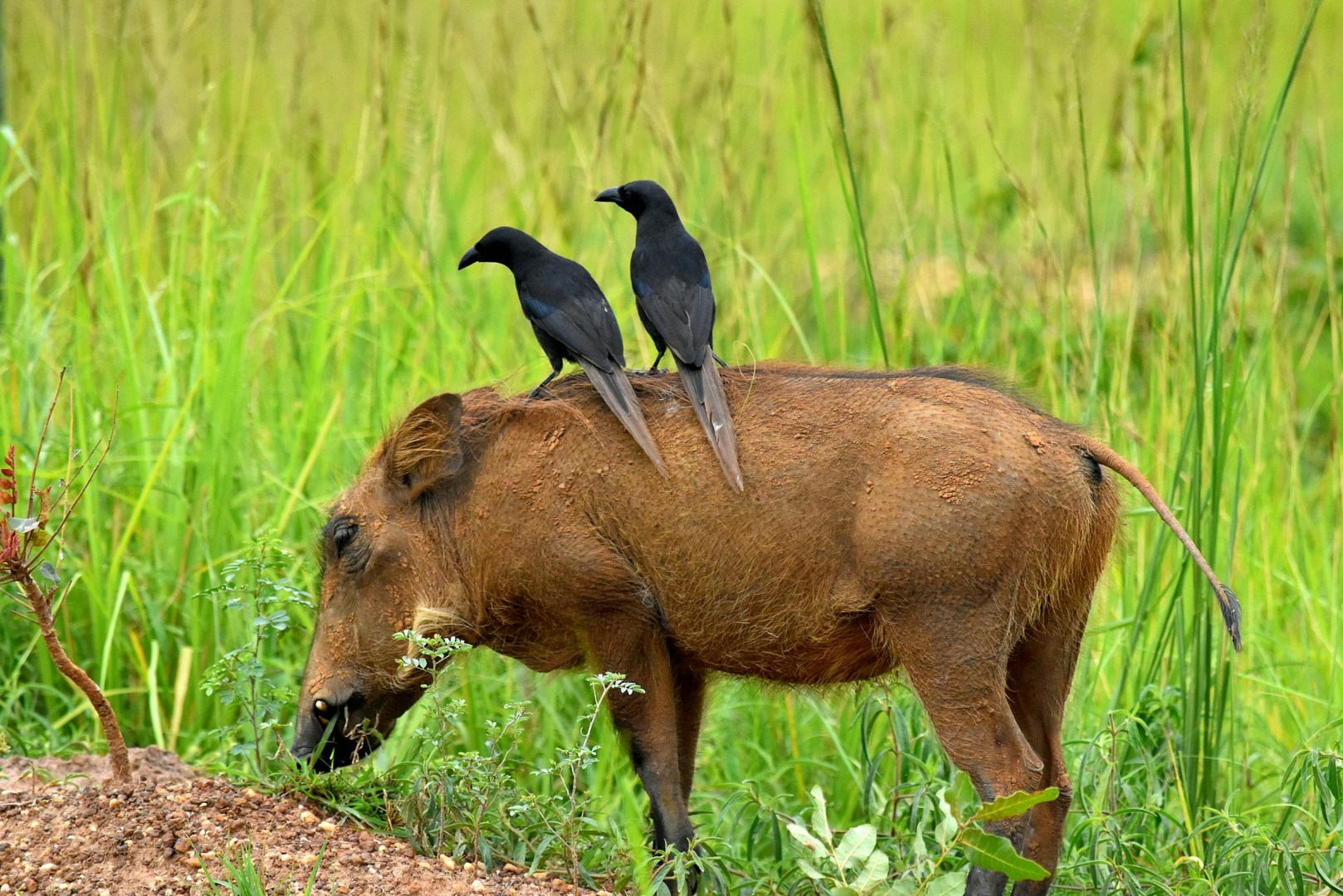
Murchison Falls is best viewed from designated points near the top of the gorge, where the Victoria Nile can be seen compressed between steep rock walls before plunging downstream. Boat trips along the Nile provide another perspective, with wildlife commonly visible along the riverbanks and around the falls. Murchison Falls National Park supports elephants, giraffes, lions, leopards, buffalo, hippos, crocodiles, and numerous antelope species. The Nile also attracts large numbers of waterbirds, while the nearby Budongo Forest provides a contrasting environment of tropical woodland and important chimpanzee habitat.
Food in the wider Murchison Falls region reflects Ugandan staples such as matoke, cassava, sweet potatoes, maize, beans, and grilled or stewed meat and fish. Fresh Nile perch and tilapia are particularly associated with communities along the river and Lake Albert. The waterfall has an unusual geological feature: its power comes not from a large volume of water spread across a broad ledge, but from the river being squeezed through a very narrow natural gorge. This creates strong currents and spray as the water emerges from the confined passage, making the falls closely connected to the dramatic river landscape around them.

Email Us
Call Us
603.716.6869
Location
103 Mountain View Road
Deerfield, NH 03037



The Restless Breed is for the creators, the rebels, the ones with something to say - Even if they say it without a word.
This isn't fashion, it's a FLAG.

Consider donating to Skye Travel Corp's favorite foundation, Tunnels to Towers.
Our company supports veterans and American heroes.